
500 Bespoke Embroidered Clutches Before Showroom Week
A Paris-based resort label needed 500 bespoke evening clutches two months before Paris Fashion Week showrooms. Machine-only factories declined because each clutch required eight hours of hand needlework. We assigned twelve master embroiderers, engineered a custom brass clasp, and delivered on schedule by air freight.
The constraints
- A fixed showroom date approximately two months out, tied to Paris Fashion Week calendars.
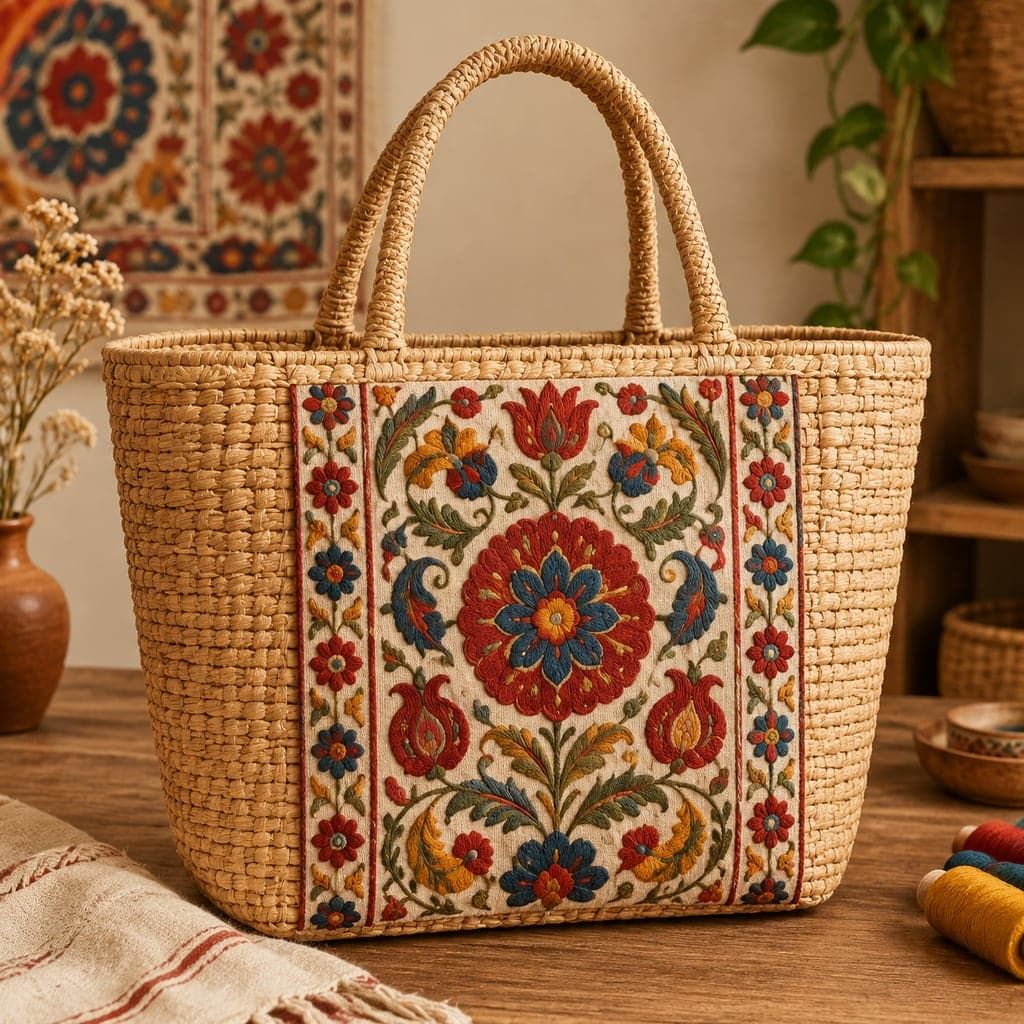
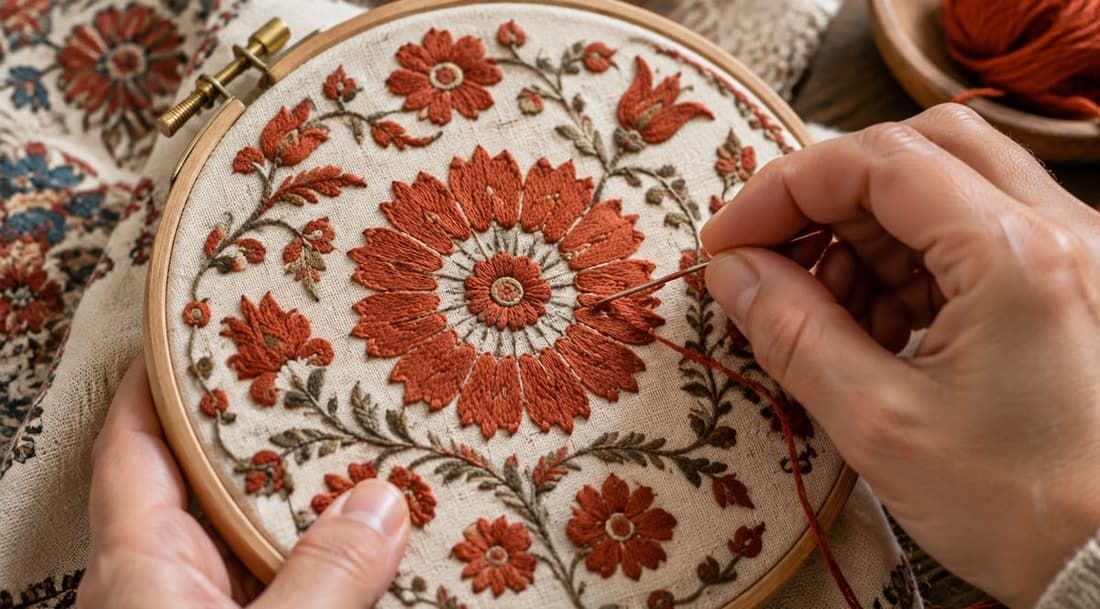
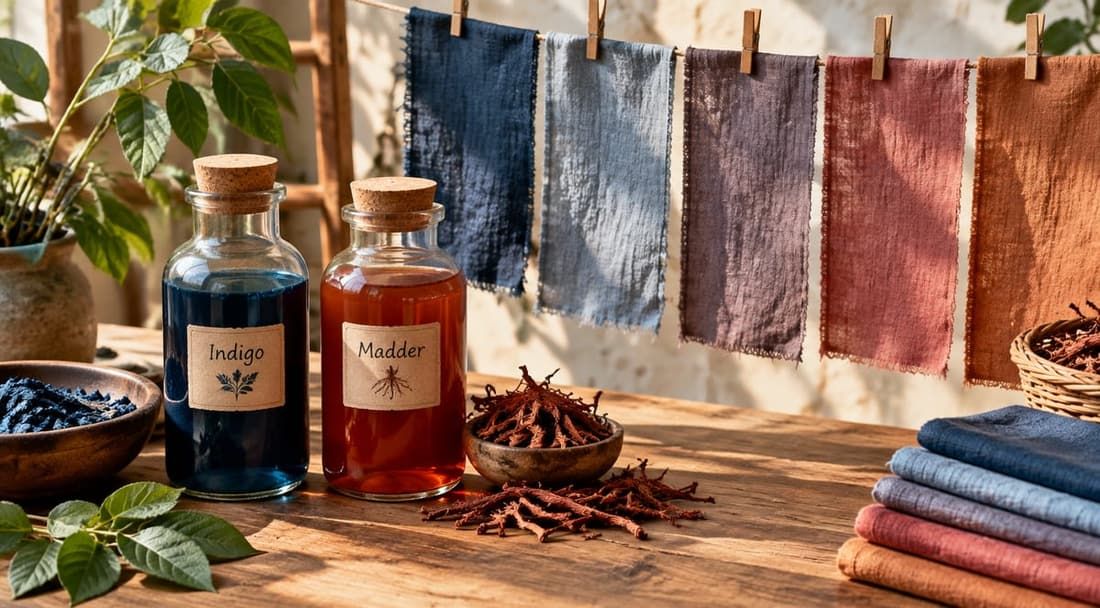
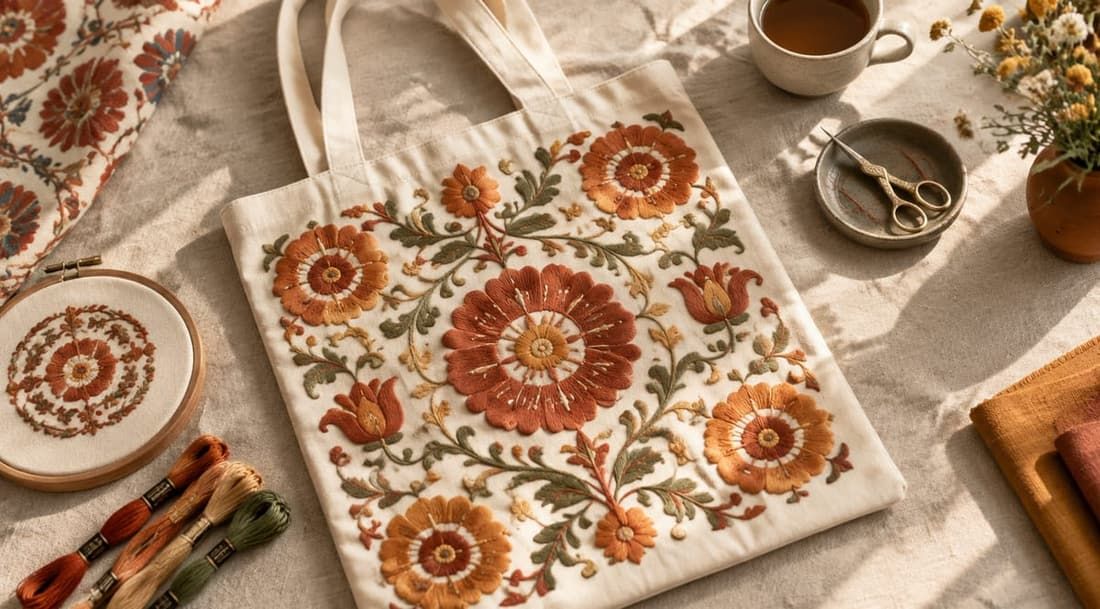
- Each clutch needed roughly eight hours of concentrated French knot and satin stitch on custom-dyed ecru linen canvas.
- The clasp had to feel heirloom-grade: a vintage-profile push clasp, hypoallergenic, in brushed antique gold.
How it ran
- We assigned twelve master embroiderers under direct supervision, sequencing the run so every clutch hit the same stitch density rather than being finished in parallel batches.
- Our hardware partners precision-cast the vintage-profile push clasp and electroplated it in hypoallergenic brushed antique gold.
- Every unit passed 100% needle inspection, then went into its own dust bag before cartoning, so the clasp and beadwork were not compressed in transit.
- Final shipment left by air freight to meet the showroom date, with the AQL 1.5 report and needle-detection log included in the document pack.
Why the second season cost less per bag
The Paris order was 500 bespoke evening clutches, handworked at roughly eight hours of needlework each by a team of twelve embroiderers. Machine-only factories had already declined it for that reason, so the programme depended on handwork capacity rather than on tooling, and the deadline was showroom week.
What made that volume possible was splitting the handwork rather than compressing it. Twelve embroiderers each carried part of the needlework, and the construction stayed identical unit to unit so that the sewing line never waited on a decision. That is what let a handworked order meet a showroom deadline.
One operational lesson worth carrying into your own planning: on a handworked order the constraint is bench hours, not machine hours. The order has to be sequenced around the embroiderers from the first week, and any motif change after sampling consumes bench hours that cannot be recovered by running the sewing line faster.
The two figures worth keeping from this programme are 500 units and roughly eight hours of hand needlework on every one of them. That is what a showroom deadline has to be planned against: on a handworked order the embroiderers set the date, not the cutting table.
Quick Answers: MOQ, Sampling & Lead Times
Short, self-contained answers to the questions buyers ask most about this programme.
- What was the brief at the start?
- 500 bespoke evening clutches, two months ahead of Paris Fashion Week showrooms, and a hard ceiling on unit cost. The ceiling mattered more than the quantity: it is what made handwork sequencing, rather than embroidery density, the thing the programme was designed around.
- How much did the second season save?
- Because the construction depends on hand needlework that cannot be substituted on a machine. Each clutch carries roughly eight hours of embroidery, and a machine-only line cannot absorb that without either changing the motif or breaking the deadline. The programme only works if the atelier has enough trained embroiderers to run it in parallel.
- What went wrong the first time?
- By sequencing the bench first and the sewing line second. The embroiderers working in parallel are the capacity; the construction stays identical unit to unit so assembly never waits on a decision; and any motif change after sampling is priced in bench hours rather than in days.
- Would this programme work for a smaller first order?
- Yes, at 50 pieces per design. On a handworked order, though, the constraint is bench hours rather than quantity: a smaller run does not reduce the hours each unit needs, so the unit price moves less with volume than it does on a machine-led style.
Production & Customization FAQ
How many pieces can hand embroidery handle?
With twelve embroiderers on one style we ran 500 pieces to a fixed date. Beyond that we would add a second shift or extend the calendar rather than compromise stitch density.
Can you develop custom metal hardware?
Yes. We cast and plate custom clasps, rivets and nameplates. The mould is paid once, stays exclusive to your brand, and is never used for another client.