
From Tech Pack to Export Carton: Our Process
Every order follows the same six gates. Nothing moves to bulk production until you have signed off a sealed physical golden sample, and nothing ships until it has passed AQL 1.5 inspection and 100% needle detection.
The six gates
- 1. Feasibility & quotation (24 h) — we review construction, flag manufacturing risks and send a tiered quotation.
- 2. Order confirmation & deposit — tech pack is frozen, the 30% deposit is raised, and a production slot is reserved.
- 3. Digitising & sampling (7–10 days) — embroidery files are created, fabric is pre-shrunk, and a sealed sample is couriered to you.
- 4. Golden sample sign-off — you approve in writing. That sealed specimen becomes the binding benchmark for the whole run.
- 5. Bulk production & in-line QC — cutting, embroidery, assembly and hardware with checks at each station.
- 6. Final inspection & export — AQL 1.5 sampling, 100% needle detection, polybag packing, carton sealing and export documents.
Lead times
| Stage | Typical duration |
|---|---|
| Quotation | Within 24 hours |
| OEM sampling | 10 business days |
| Bulk production | 15–30 days after sign-off, by quantity |
| Sea freight (reference) | EU 30–40 days, US 25–35 days |
Documents issued with every shipment
- Certificate of Origin (COO) for preferential or standard tariff treatment.
- Commercial invoice and detailed packing list by colour, size and carton number.
- Pre-shipment inspection report with AQL 1.5 findings and needle-detection log.
- Third-party test reports (AZO, phthalates, ISO 105 colour fastness) on request at cost.
The five stages between your file and a sealed sample
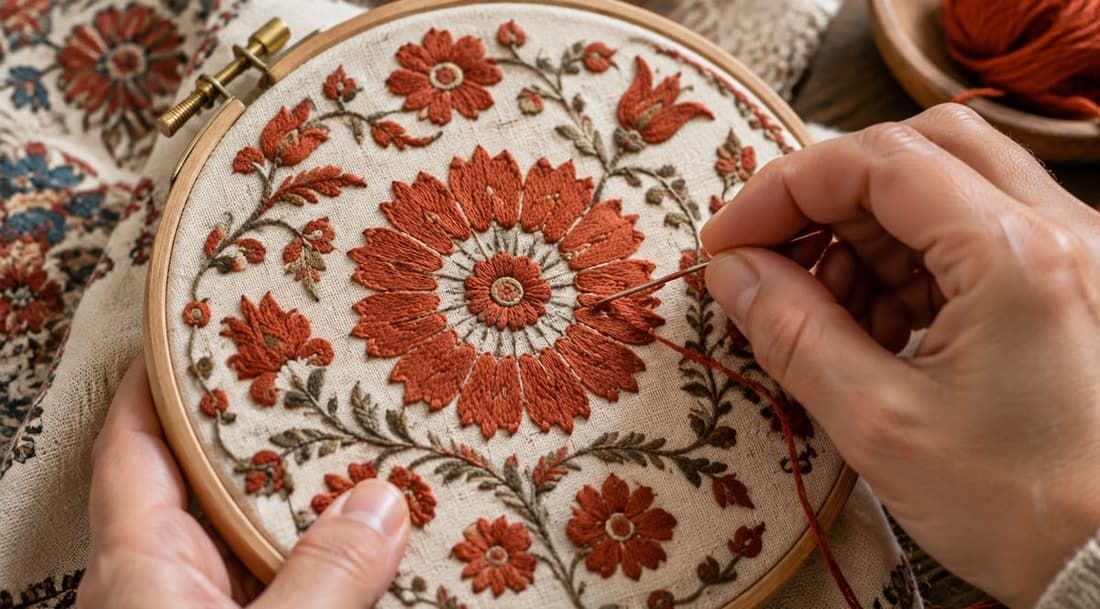
Stage one is feasibility: we read the tech pack, flag anything that cannot be produced at your target price, and confirm the fabric. Stage two is digitising, where the artwork becomes a stitch programme with a defined density and a colour sequence. Stage three is the first prototype, built in the final fabric rather than a substitute.
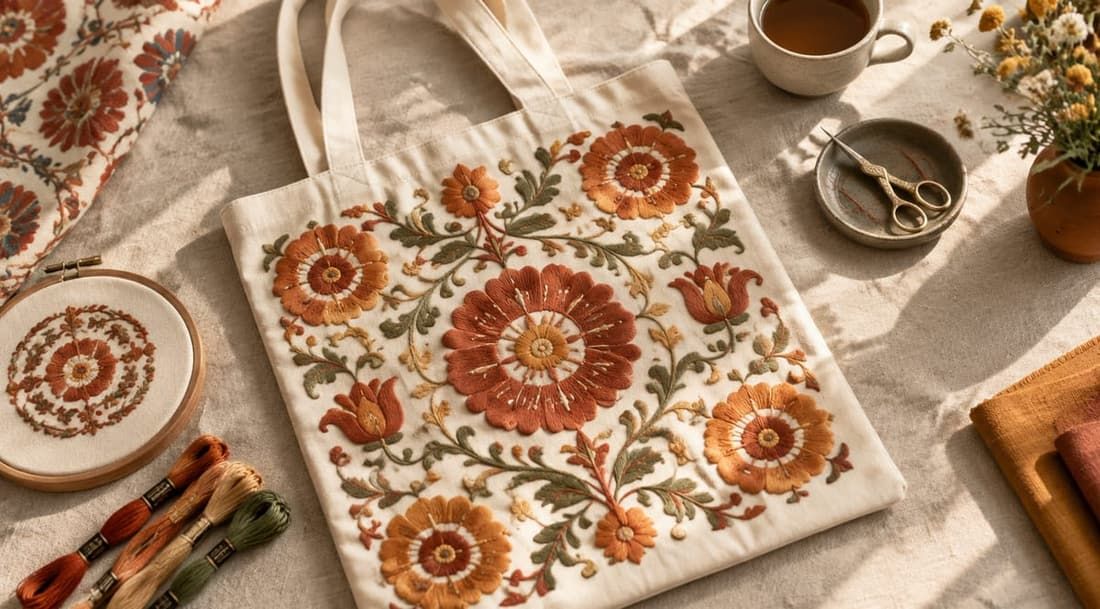
Stage four is the review round, where you check the physical sample against your expectation and we adjust one variable. Stage five is sealing: the approved unit is signed, photographed from four angles, measured and archived, and that sealed unit becomes the reference the bulk run is inspected against.
One timing note that catches people out: courier time is not inside the ten-day figure, and customs can add several days on a first shipment into a new market. Build that buffer into the in-store date rather than into our production schedule.
Quick Answers: MOQ, Sampling & Lead Times
Short, self-contained answers to the questions buyers ask most about this programme.
- What happens if the first sample fails?
- It is rebuilt at our cost when the fault is ours: a stitch density that does not match the approved programme, a measurement outside tolerance, or a hardware substitution. When the change comes from your side, the rebuild is quoted, and we tell you which one it is before we cut anything.
- Can we skip sampling and go straight to bulk?
- Only for a repeat order against an existing sealed sample and an unchanged specification. For a new style we will not run bulk without an approved sealed unit, because a defective first production run costs far more than the sample ever would.
- How many samples do we receive?
- One sealed unit by default, because the sealed copy is a control sample rather than a marketing sample. If your buyers need units to touch, add two or three extra pieces in different colourways to the sampling order; they are produced in the same run at material cost plus labour.
Production & Customization FAQ
How long does the whole order take?
For a first order: 10 days sampling plus 15–30 days production after sign-off, then transit. Allow 6–9 weeks door to door for a new style in Europe or North America.
Can you ship to my 3PL or Amazon warehouse?
Yes. We ship FOB to your forwarder, or DDP straight to your 3PL, Amazon FBA or retail DC with FNSKU or routing labels applied.
What happens if a defect is found after delivery?
Report within 14 days with photos. Verified manufacturing defects on our side are repaired or credited in the next order; the AQL 1.5 report narrows this to genuine production defects rather than transport or handling damage.