
Hjem Studio: 80-Piece Pilot to Seasonal Scale
A Copenhagen resort and lifestyle label came to us with a moodboard and a request for just 80 units. We shipped sealed samples in 10 business days, produced the pilot in 32 days, and the label has since returned each season to add new crafts from the same atelier.
The brief
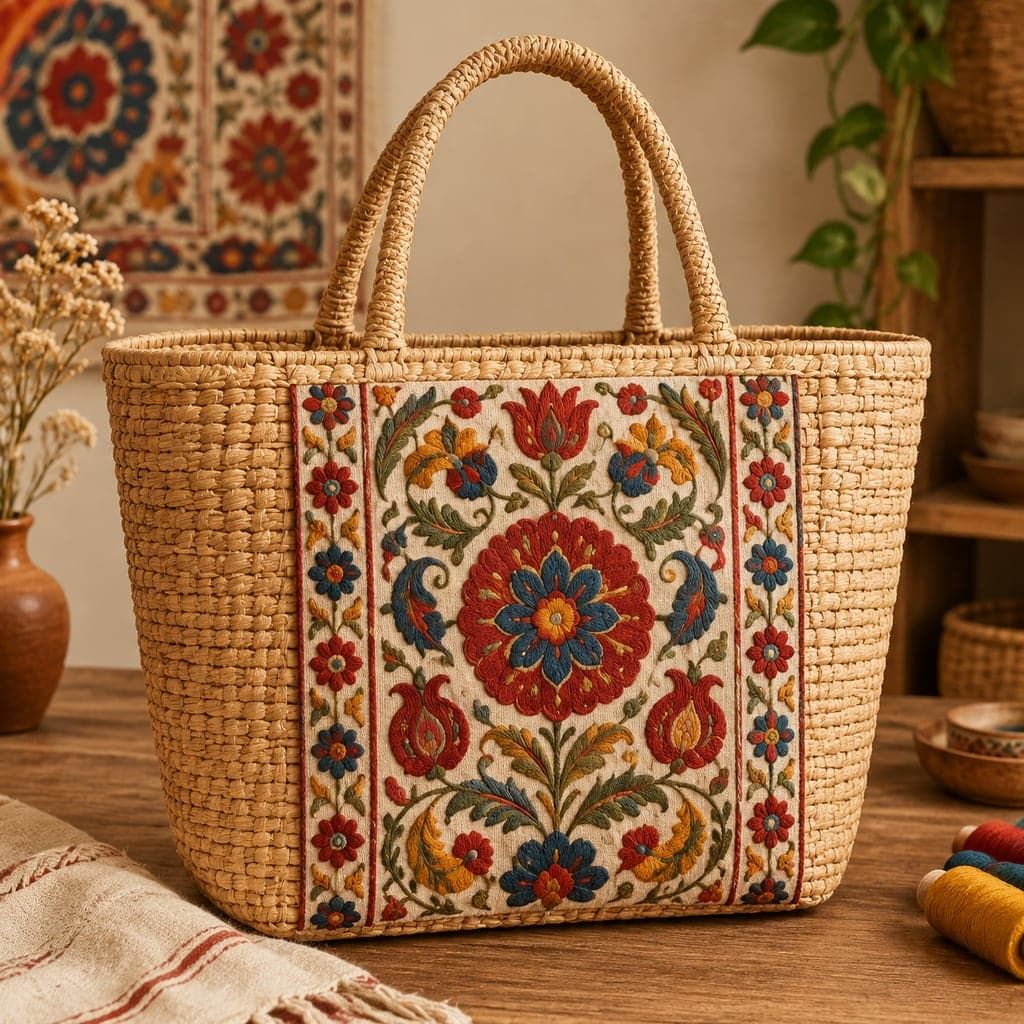
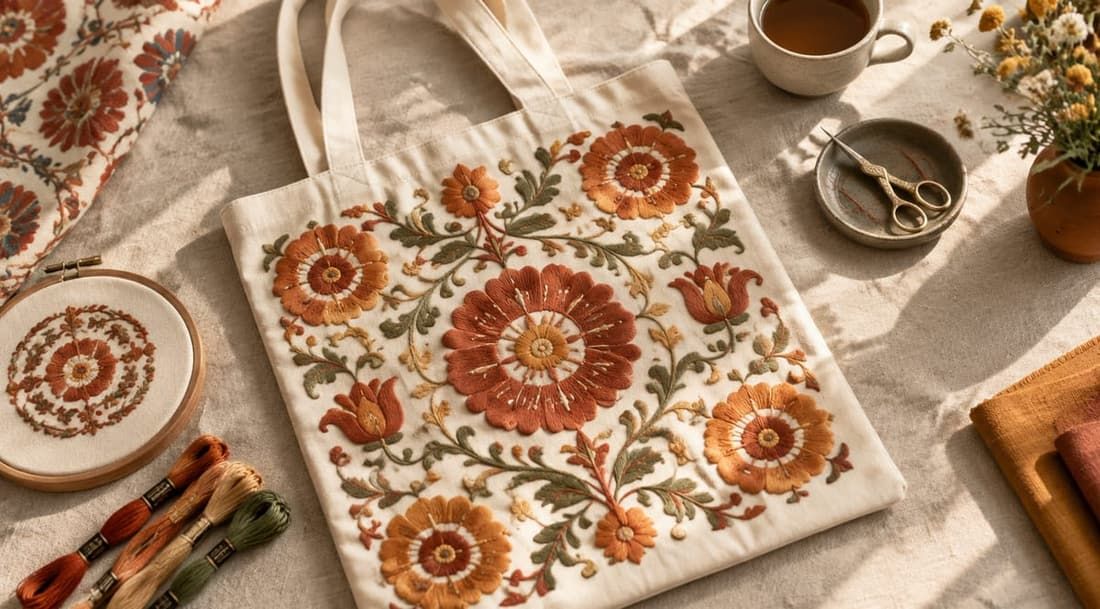
An independent label with stockists in Copenhagen and Stockholm wanted a debut tote that read as artisanal rather than generic. The reference was a 16oz canvas tote with Suzani wildflower motifs in madder root and terracotta. The constraint was commercial: they would not commit to a large first order before knowing how the style sold.
How we handled it
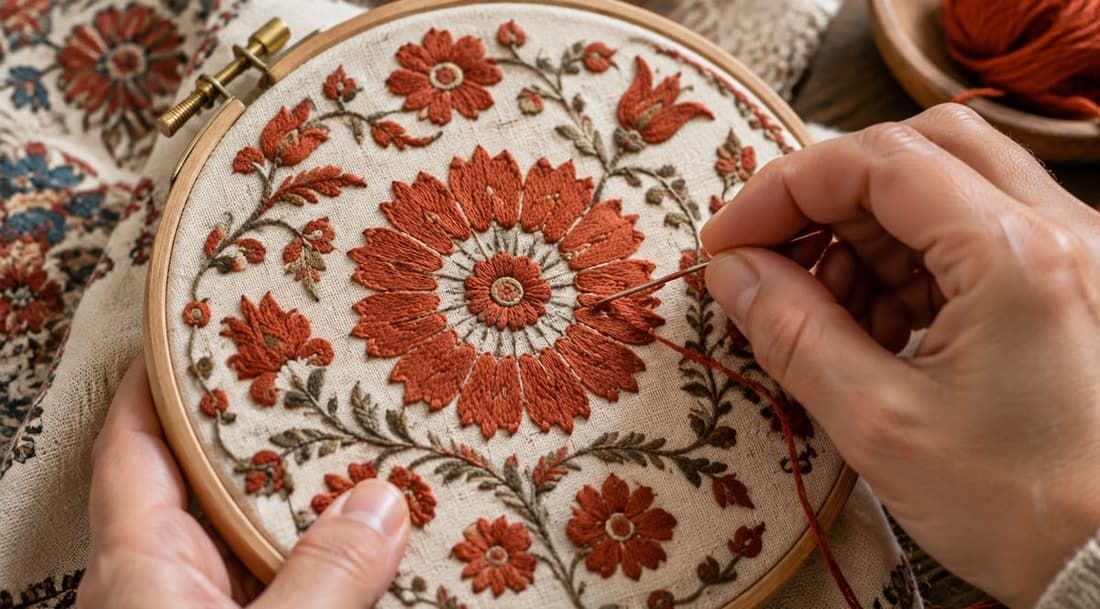
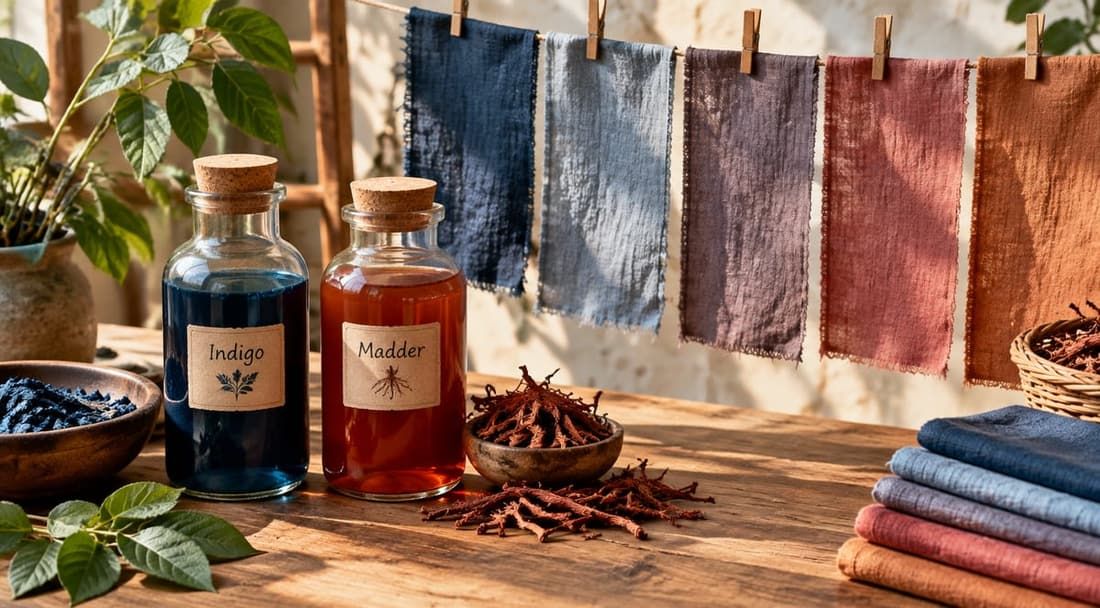
- Digitised the wildflower motif and produced lab dips in madder root and terracotta so the palette was agreed before any fabric was cut.
- Delivered a sealed physical sample within 10 business days, which the label approved before releasing the pilot.
- Ran the 80 units in 32 days on the production line, not as a hand-made one-off, so the pilot matched what a reorder would look like.
- Kept the pattern and embroidery files on record so each seasonal addition reuses the approved base instead of re-sampling.
What it demonstrates
- A pilot below the industry norm can still be produced on the real line, so the quality you approve is the quality you scale.
- Multi-craft ranges are easier when one atelier handles embroidery, sea grass and bamboo under a single QC standard.
What the pilot actually tested
The 80-unit pilot was not a market test, it was a process test. Hjem Studio already knew the shape would sell in Copenhagen; what it did not know was whether a Dongguan atelier could hold a botanical madder dye lot steady across colourways, and whether the stitch tension would survive a season of daily use rather than a showroom.
The answer showed up in the re-orders rather than in the pilot. What began as an 80-piece test has grown into roughly 1,200 pieces per season across four re-orders and an 18-month partnership, all on the same pattern block and the same construction. That is the commercial value of shipping a sealed unit rather than a photograph: the approved sample stays the reference, so a new season starts from it instead of from another development round.
One decision worth copying: the brief named the dye method and the hardware, not only the motif. Dye behaviour and hardware finish are the two variables that most often move between a pilot and a repeat order, and naming them up front is what made a sealed sample in 10 business days and a pilot run in 32 days achievable rather than optimistic.
Quick Answers: MOQ, Sampling & Lead Times
Short, self-contained answers to the questions buyers ask most about this programme.
- Why did this pilot start at 80 pieces?
- Eighty was small enough to keep the brand’s exposure low on a first run with an unproven dye lot, and large enough to read real sell-through with shoppers rather than with an internal panel. It also sits close to our 50-piece floor, so the pilot ran on the same line and the same AQL 1.5 inspection standard as a bulk order.
- How was the dye lot kept stable?
- By reserving one dye lot for the whole order instead of topping up between colourways, and by measuring the bath against Pantone TCX references rather than by eye. It costs slightly more per unit and removes the most visible failure mode in plant dyeing, which is a colour break between two colourways of the same style.
- Is this programme still running?
- Yes. The relationship continues on the same pattern block, and the sealed sample from the original pilot is still the reference the cartons are checked against. Keeping that sample in the archive is what makes a repeat order a re-order rather than a new development project.
Production & Customization FAQ
What was the smallest order accepted here?
80 units for the pilot, with sealed samples first. Our published floor is 50 pieces per design, so 80 sits comfortably inside the low-MOQ programme.
Can a seasonal range mix embroidered and woven styles?
Yes, and it is usually cheaper overall because colour approval, QC and freight are consolidated into one programme rather than split across factories.
Continue reading
- Client case studies
- 500 Bespoke Embroidered Clutches for a Parisian Resort Capsule
- Engineering a Seam That Joins Embroidery to Weaving
- Bag Manufacturing Cost & MOQ Explained
- From Tech Pack to Export Carton: Our Process
- Request a quote
- OEM vs ODM Bag Manufacturing
- Craft · Rattan Weaving
- Resort & Beach Bags
- Low MOQ Bag Manufacturer