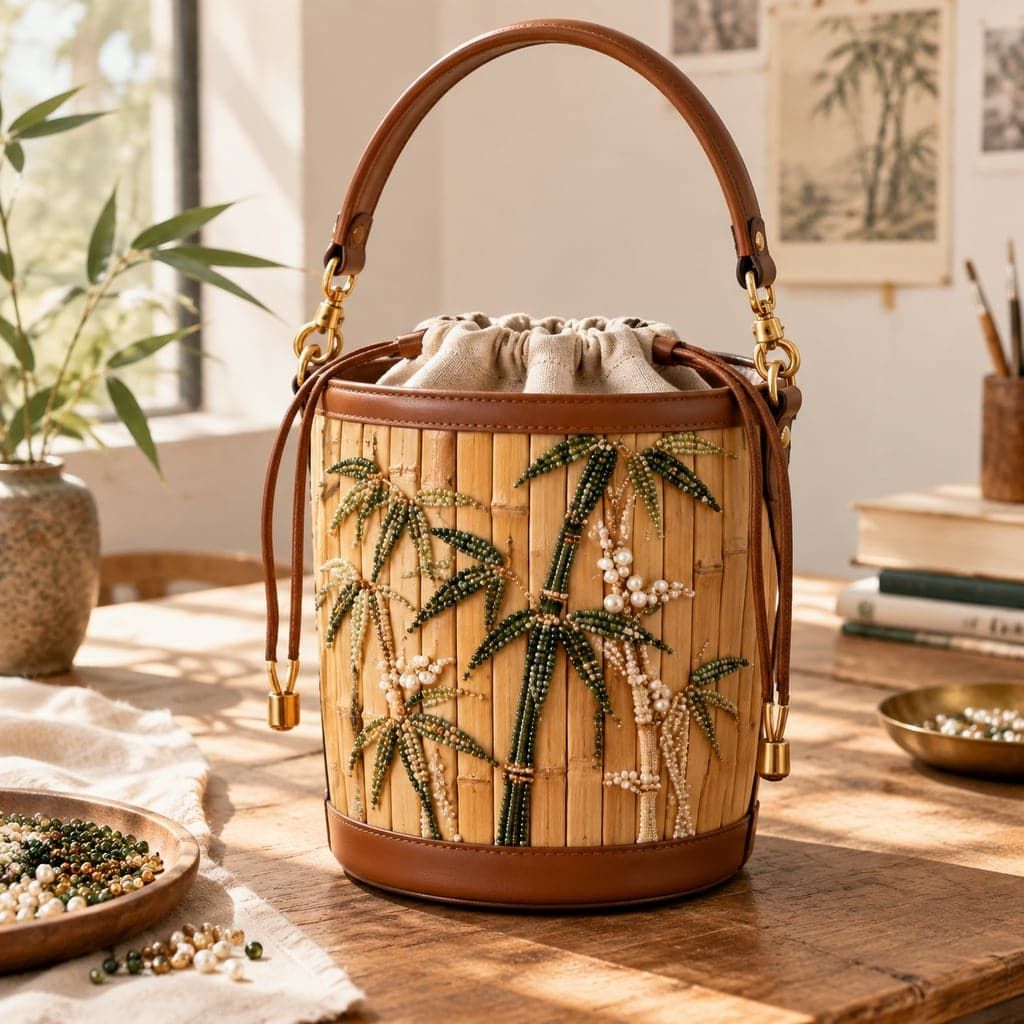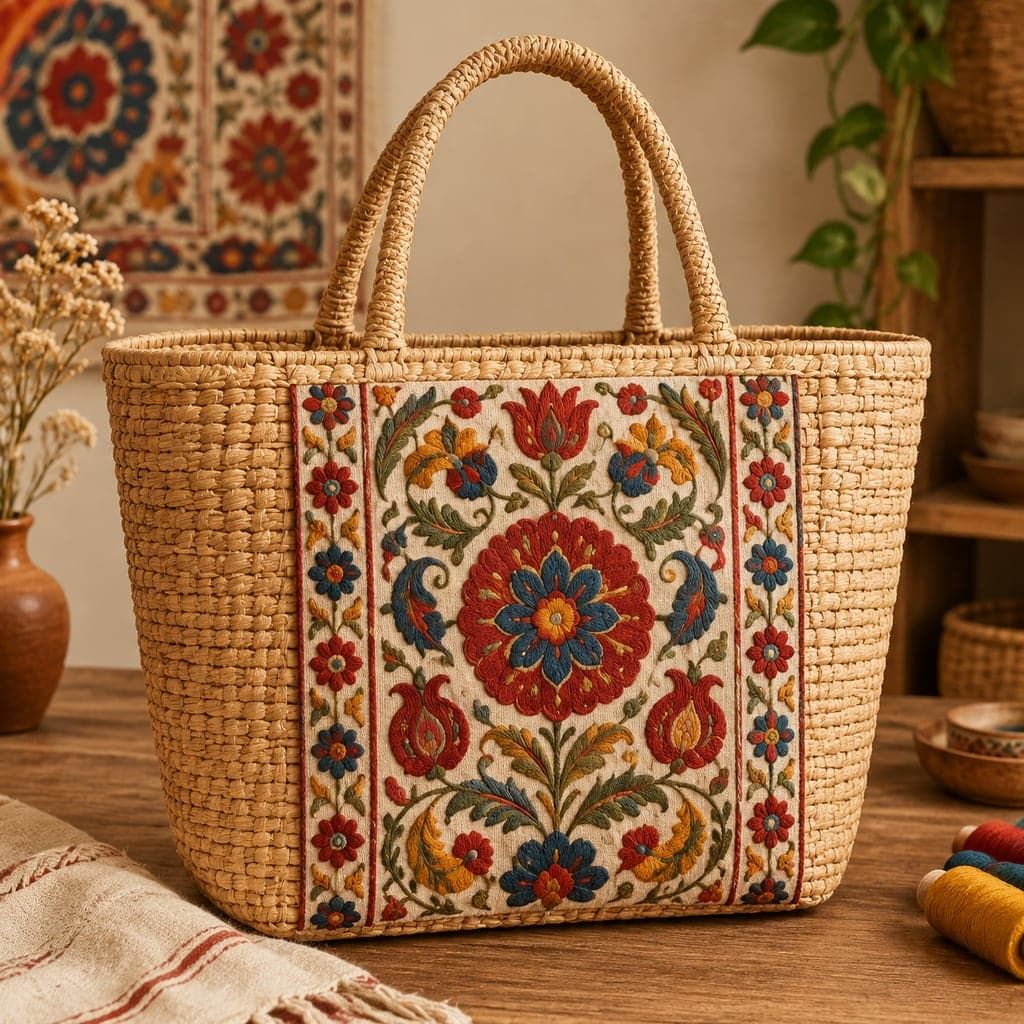
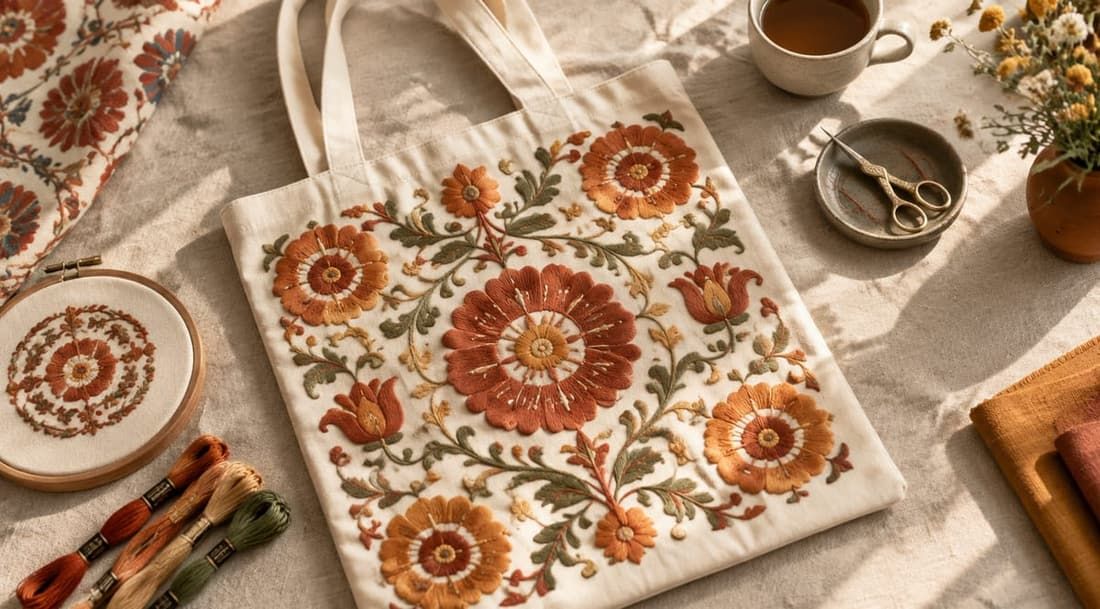
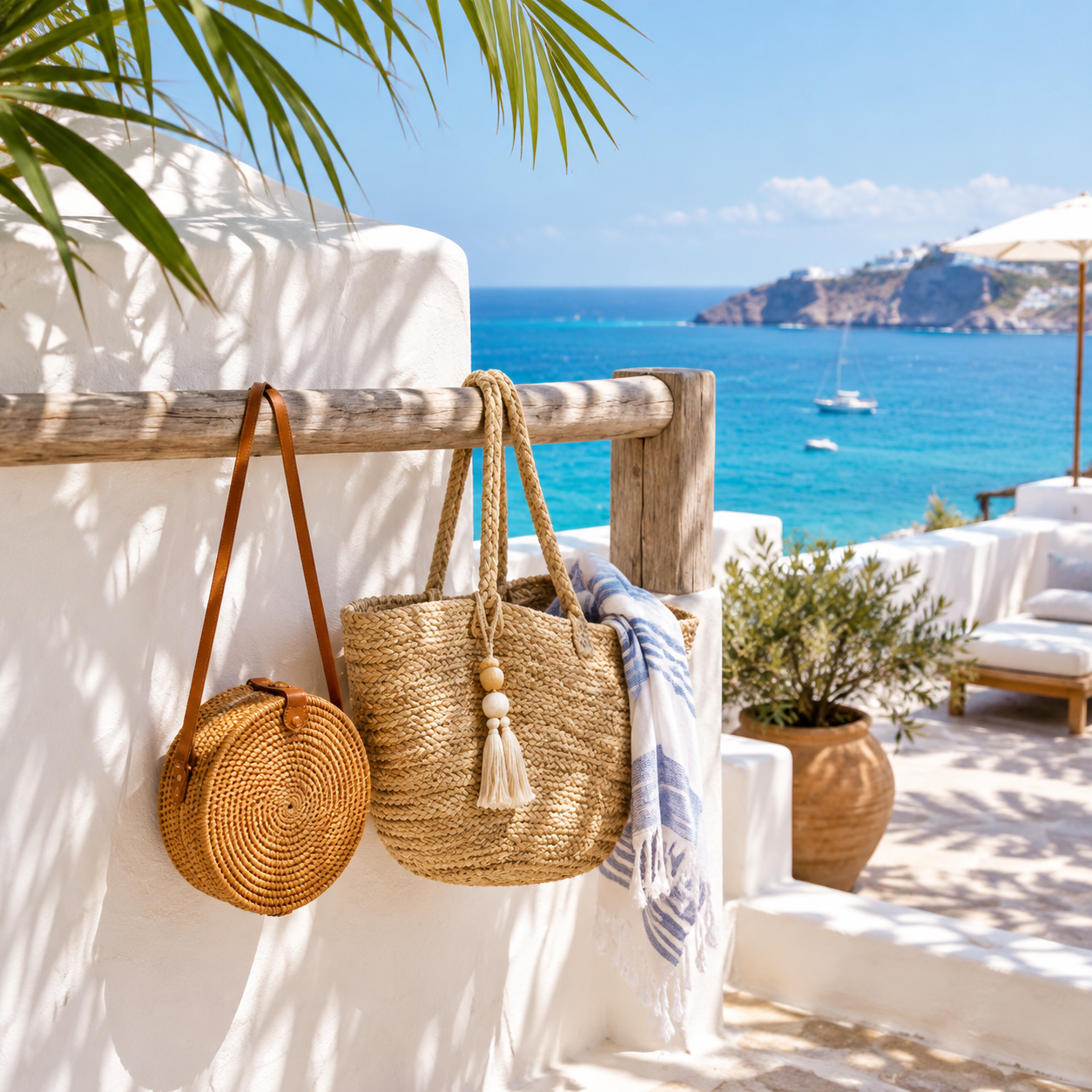
Natural woven bags crafted from wild rattan, sea grass, and bamboo are essential centerpieces for luxury resort collections, summer beach capsule drops, and eco-conscious lifestyle retailers. However, natural plant fibers present notorious manufacturing challenges: moisture susceptibility, maritime shipping mold risks, fiber brittleness, and structural deformation under heavy loads.
- Material Triad Comparison: Physical density, tensile limits, and salt-air resilience across Rattan, Sea Grass, and Bamboo.
- The 4-Stage Anti-Mildew Protocol: High-temperature steam kiln drying and non-toxic botanical fumigation.
- Hardware Anchoring Engineering: Joining leather handles to rigid woven structures without tear-out.
- Low-Risk Sampling: Ordering 50-piece capsule collections with sealed golden prototypes.
Rattan vs. Sea Grass vs. Bamboo: Selecting the Right Fiber
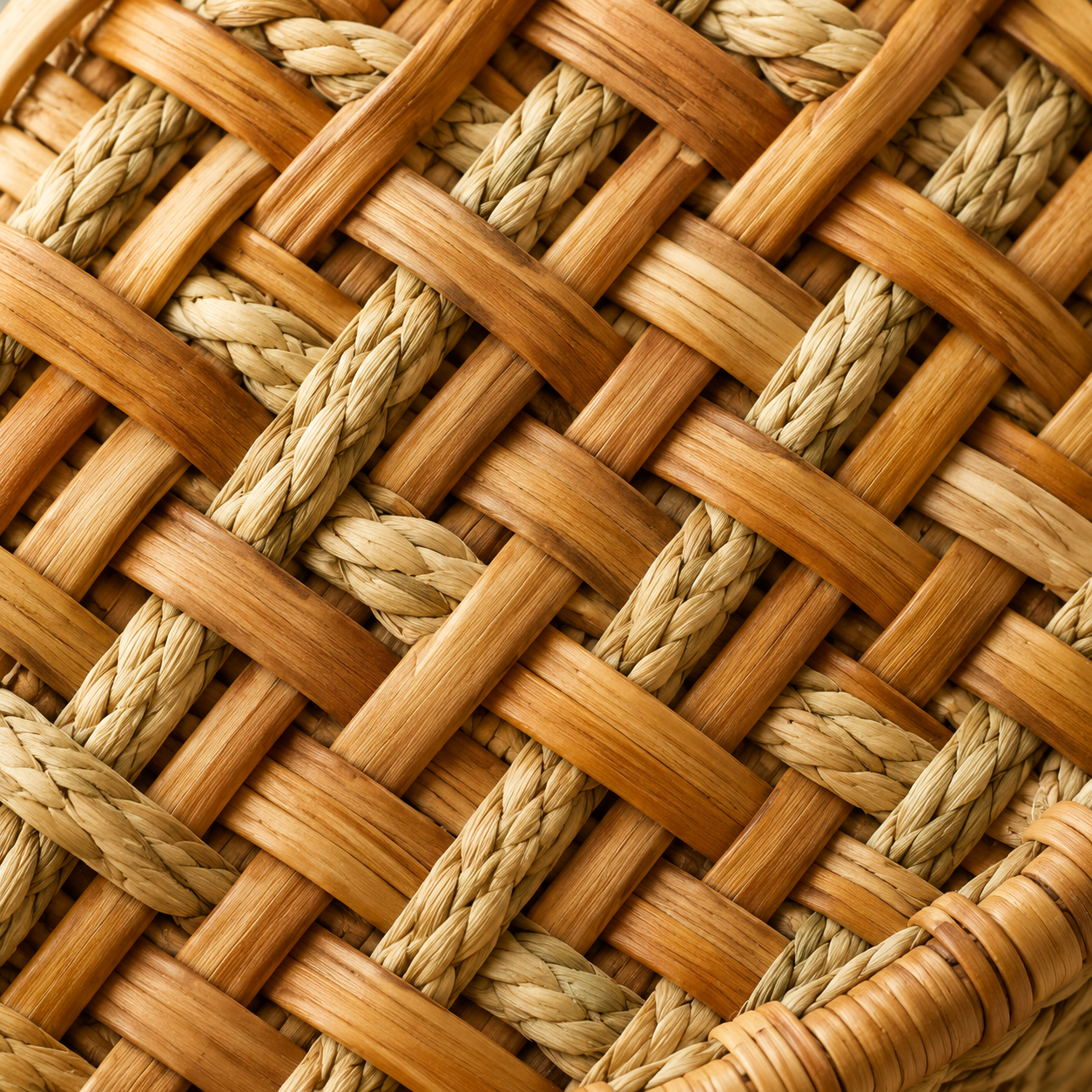
Choosing the wrong fiber often leads to customer returns. Wild rattan from Kalimantan, Indonesia offers unparalleled structural rigidity, perfect for architectural silhouettes like round canteen bags and structured picnic baskets. Coastal sea grass, by contrast, is light and naturally flexible, ideal for collapsible market totes that pack flat for resort traveler luggage. Highland bamboo delivers exceptional tensile strength across its longitudinal grain, suited for minimalist bucket handles and rigid frames.
Technical Performance & Engineering Matrix
| Property / Benchmark | Indonesian Wild Rattan | Coastal Sea Grass | Highland Alpine Bamboo |
|---|---|---|---|
| Physical Rigidity | High (holds 3D geometric shape) | Moderate (soft, flexible drape) | Very High (springy longitudinal flex) |
| Moisture Equilibrium | Tolerant; kiln-stabilized ≤12% | Sensitive to humidity; requires wax seal | Moisture resistant naturally with silica skin |
| Tensile Strength | 450–600 N per cane strand | 280–350 N per twisted rope | 750–900 N along split grain |
| Best Bag Silhouettes | Round canteen bags, rigid clutches | Slouchy beach totes, market baskets | Geometric buckets, cage handle totes |
| Surface Treatment | Plant lacquer or matte organic wax | Natural dry braid or botanical dye bath | Carbonized honey or natural ivory polish |
| Atelier Production MOQ | 50 pcs per style | 50 pcs per style | 50 pcs per style |
The TelvaBag 4-Stage Anti-Mildew Defense
To ensure sea freight transit through humid tropical shipping lanes without mold growth, every TelvaBag woven unit undergoes: (1) 120°C high-temperature steam sterilization, (2) controlled dehumidification kiln drying until internal moisture drops below 11%, (3) non-toxic eco-friendly botanical wax dipping, and (4) sealed packaging with industrial silica gel desiccants.
Customs Compliance & Fumigation: Meeting USDA and EU Plant Health Regulations
Importing natural plant fiber goods into North America, the European Union, Australia, and Japan involves rigorous agricultural quarantine border controls. Raw uncertified rattan, bamboo, or sea grass risks border seizure, mandatory destruction, or costly demurrage penalties if living insect larvae or soil residues are detected.
TelvaBag operates in strict compliance with international phytosanitary protocols. Every export shipment is treated according to ISPM 15 heat treatment guidelines (core temperature maintained at ≥56°C for a minimum of 30 minutes) and accompanied by official China Customs (GACC/CIQ) Phytosanitary Certificates and Fumigation Verification Sheets. These formal government inspection documents guarantee rapid customs clearance at major global destination ports without quarantine holds.
Will natural rattan splinter and snag delicate silk resort dresses?
No. Our rattan canes undergo a 3-stage mechanical deburring and flame-singeing process followed by two coats of water-based clear sanding sealant, creating a snag-free touch.
How are leather handles anchored to prevent pulling through the weave?
We embed an internal spring-steel backing washer and hand-rivet solid brass studs directly through dual rattan ribs, load-tested to ≥15kg.
What official phytosanitary and fumigation certificates are provided for import clearance?
Every sea and air freight consignment includes an official Phytosanitary Certificate issued by China Customs CIQ, an ISPM 15 heat treatment certificate, and a non-toxic botanical fumigation declaration compliant with USDA-APHIS and EU plant health regulations.
How should coastal resort boutiques store natural woven bags during humid off-seasons?
Store woven bags in ventilated rooms maintaining relative humidity below 60%. Never store natural bags inside airtight plastic polybags in tropical climates; use our included breathable 100% unbleached cotton dustbags to allow moisture equilibrium.
How do drop-impact resilience and shape retention differ between rattan and bamboo?
Wild rattan has a solid, cellular fibrous core that absorbs drop impacts without shattering, holding rigid 3D silhouettes. Alpine bamboo possesses high tensile spring memory that flexes under compressive weight and springs back into cylindrical shape without permanent deformation.
- Explore the Hand-Woven Bag Collection View 8 classic rattan, bamboo, and sea grass atelier silhouettes.
- Examine the Round Rattan Bag Details Handcrafted Kalimantan rattan bag with genuine leather strap and brass clip.
- View Mixed-Media Embroidered Woven Totes The signature atelier construction combining woven bodies with embroidered panels.
- International Logistics & Fumigation Policy Review phytosanitary export protocols, carton packaging, and ocean transit times.
- Atelier Sampling & Sample Fee Credit Terms 10-day physical golden sampling credited 100% against 200+ bulk orders.