

In custom handbag manufacturing, 80% of sampling delays and revision loops stem from incomplete technical communication: a designer sends an aesthetic 3D rendering or sketch, but omits seam allowances, gusset depth, zipper gauge codes, and embroidery coordinates. At TelvaBag atelier in Houjie, Dongguan, our pattern makers and master artisans work from technical specification packs (Tech Packs) every day. Below is our definitive guide on creating a production-ready bag Tech Pack that gets your physical Golden Sample approved on the very first strike-off.
Direct Answer: What Must a Production-Ready Bag Tech Pack Include?
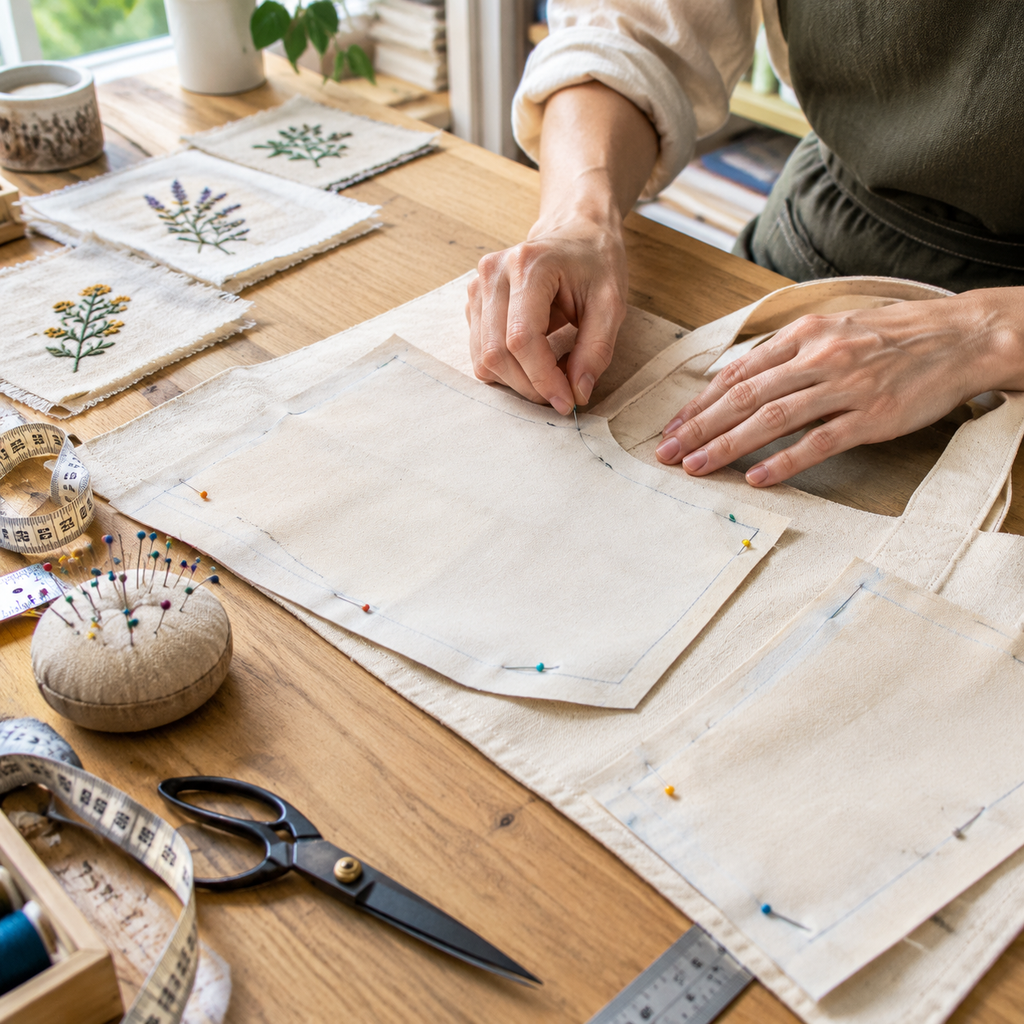
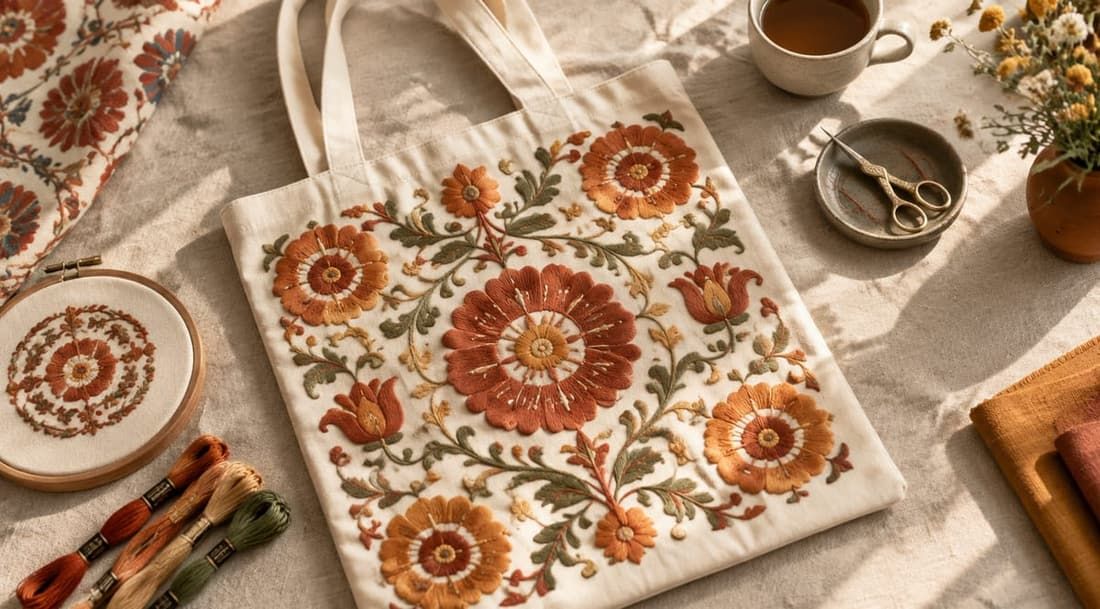
A production-grade bag Tech Pack consists of six mandatory modules: (1) Dimensional Orthographic Projections (front, side, base, and interior view with ±5mm toleranceCallouts); (2) Construction & Seam Allowances (specifying 10mm or 12mm enclosed seams, piping diameter, and stitch density at 7–8 stitches per inch); (3) Artwork & Embroidery Callouts (exact vector coordinates, distance from top edge ≥65mm to clear presser feet, thread Pantone TCX codes, and backing stabilizer type); (4) Complete Bill of Materials (BOM) detailing shell canvas weight in oz, lining type, thread tensile rating, and hardware plating finish; (5) Hardware Spec Sheet (zipper tooth gauge #5/#8, slider puller dimensions, rivet head diameter); and (6) Packaging & Labeling Specs (woven main label placement, care tags, and polybag warning text).
1. Dimensional Orthographic Projections: Beyond the 2D Sketch
A concept sketch shows aesthetic proportions, but a sample room requires flat orthographic elevations with hard linear millimeters. Never define only Width and Height—a functional bag requires four core measurements:
| Measurement Dimension | Standard Unit | Factory Tolerance | Critical Engineering Function |
|---|---|---|---|
| Top Opening Width (Flat) | Millimeters (mm) | ±5 mm | Determines zipper tape length and magnetic snap closure alignment |
| Bottom Base Width x Depth | Millimeters (mm) | ±3 mm | Controls structural footprint and internal baseboard stability |
| Handle Drop Length (Arc) | Centimeters (cm) | ±1.0 cm | Determines shoulder carrying comfort vs. handheld clearance |
| Interior Pocket Position | Millimeters (mm) | ±3 mm | Distance from top rim to ensure easy phone/key retrieval |
2. The Bill of Materials (BOM): Itemizing Every Component
The Bill of Materials is your contract with the factory floor. If a component is unlisted, the sample room must guess—frequently resulting in mismatched lining weight or cheap zinc alloy rivets:
- Shell Fabric: Specify exact weave and weight, e.g., '16oz 100% combed cotton duck canvas, unbleached natural ecru, pre-washed shrinkage ≤2%'.
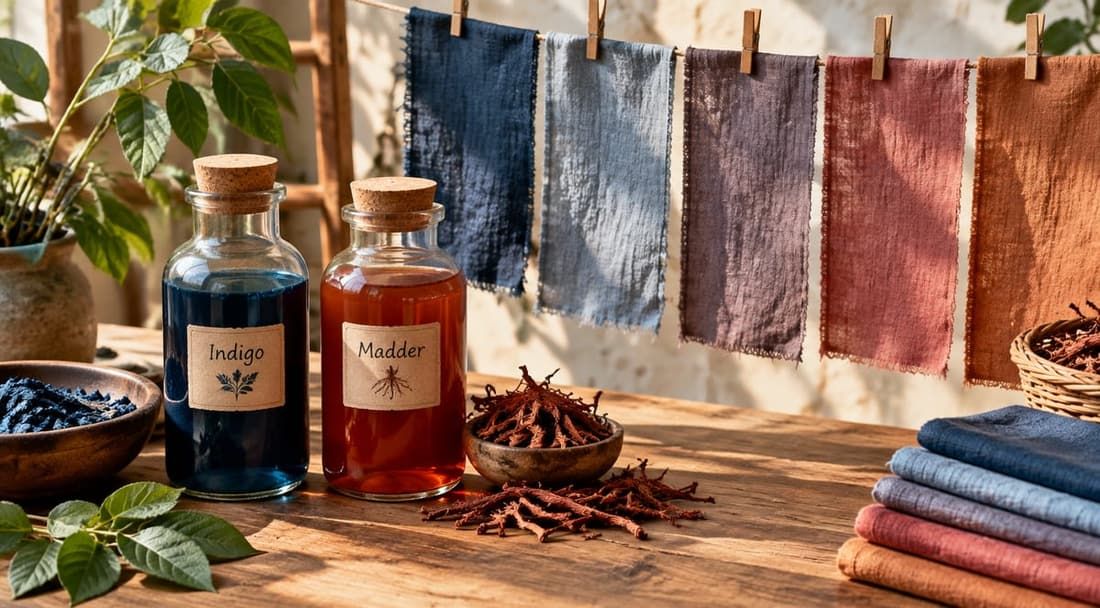
- Lining Fabric: State composition and treatment, e.g., '100% natural linen 180gsm, botanical indigo yarn-dyed, water-repellent coating'.
- Handle & Trim: Detail thickness and tannage, e.g., '1.8mm full-grain vegetable-tanned cowhide, cognac brown, beveled and wax-burnished edges'.
- Sewing Thread: Specify thread specification, e.g., 'Bonded polyester #20/3 (Ticket 30) for structural seams; #40/2 for interior binding'.
- Zippers & Pullers: Specify tooth standard, e.g., 'YKK #5 antique brass metal zipper with closed end and custom engraved leather puller'.
3. Embroidery & Print Specification: Keep-Out Zones
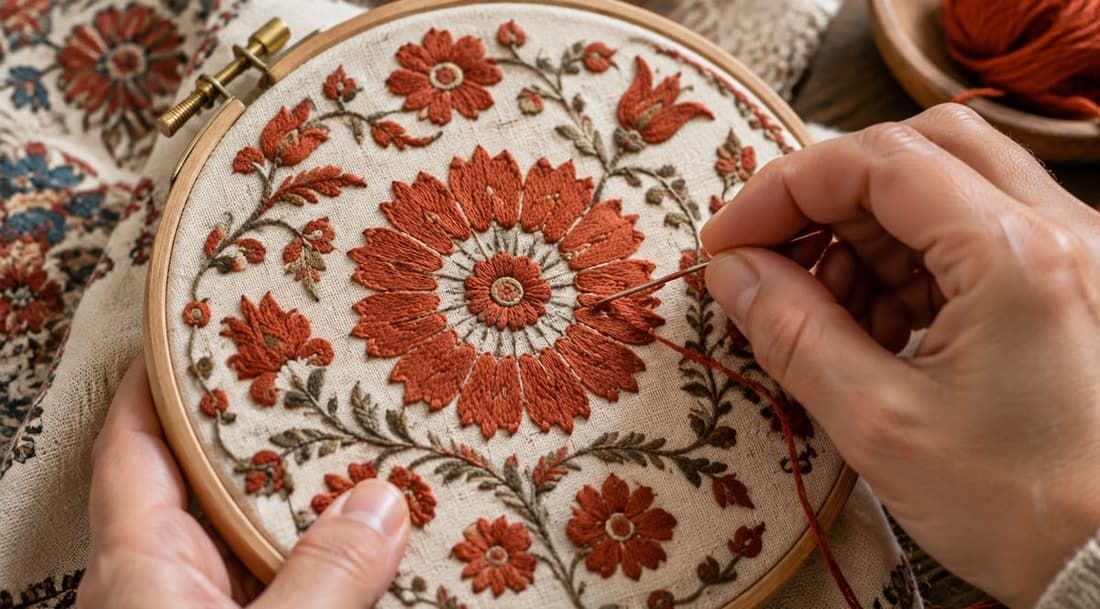
One of the most frequent mistakes rookie designers make is placing artwork too close to seams or bag openings. Industrial multi-head embroidery hoops require 35mm to 45mm of flat canvas clamping margin around the active embroidery field.
Furthermore, the top rim of a tote bag requires a 30mm–40mm interior facing fold-down. Artwork placed within 65mm of the top raw cut edge will be caught in the folder feed or collide with heavy sewing machine presser feet. In your Tech Pack, always specify a dedicated 'Keep-Out Margin' around artwork boundaries.
4. Seam Allowances & Internal Binding Construction
Specify how raw interior seams should be finished. In luxury and boutique bag production, exposed raw canvas edges are unacceptable. Indicate one of three standard edge finishes:
- French Seams (Enclosed): Best for lightweight linen pouches; seams are stitched twice to bury raw edges completely inside the fold.
- Self-Fabric or Cotton Herringbone Binding: The industry gold standard for heavy canvas totes; 20mm cotton herringbone tape encases side and bottom seams.
- Turned Lining Construction: The outer bag and inner lining are assembled independently and turned through a turning gap, leaving zero visible internal seam allowances.
What file format does TelvaBag prefer for Tech Pack submissions?
We prefer multi-page vector PDF files created in Adobe Illustrator or CLO3D. Vector AI or EPS files for artwork and logos are required for direct embroidery digitizing.
Can I submit a physical sample or sketch instead of a digital Tech Pack?
Yes. Under our ODM cooperation track, you can ship a vintage sample or share hand-drawn concept sketches. Our in-house technical team will draft the complete production Tech Pack and BOM for your review.
Where can I download standard bag Tech Pack templates?
You can download our standardized production templates (including CAD spec sheets, BOM Excel workbooks, and Golden Sample sign-off checklists) directly from our website at /templates/.
Ready to review your tech pack with our Dongguan pattern room? Send your files to info@telvabag.com or connect with our technical project managers on WhatsApp for instant feasibility feedback.
- Download Production-Ready Tech Pack Templates Free Excel BOM workbooks, vector CAD outlines, and tolerance checklists.
- 10-Day Sample Development Workflow How your Tech Pack transitions through pattern drafting, strike-offs, and sealing.
- Atelier Prototyping & Sample Services Rapid sample turnarounds with dedicated master pattern makers.