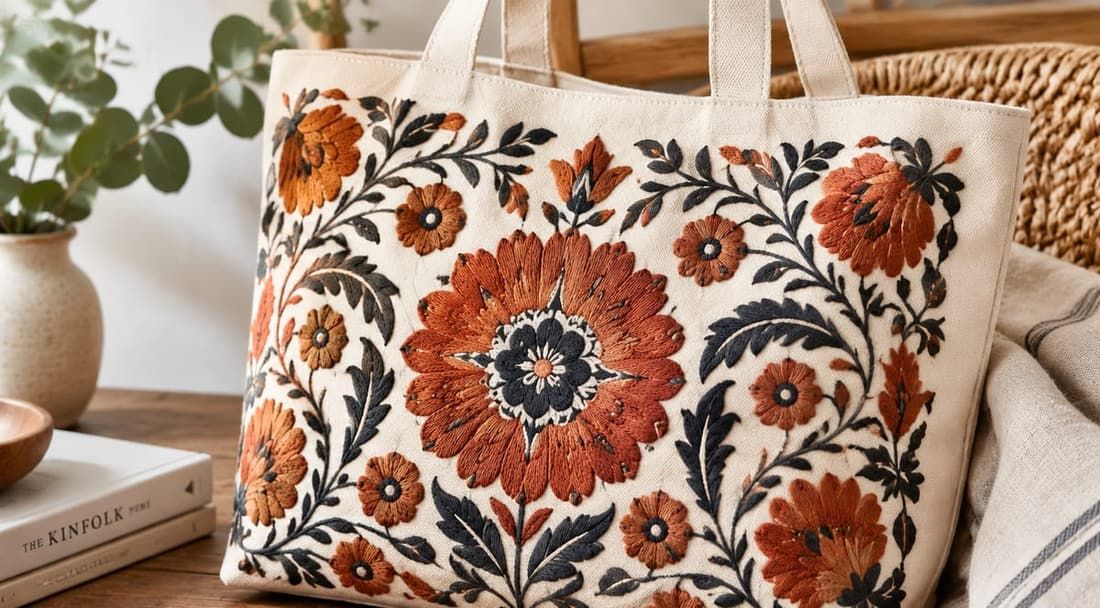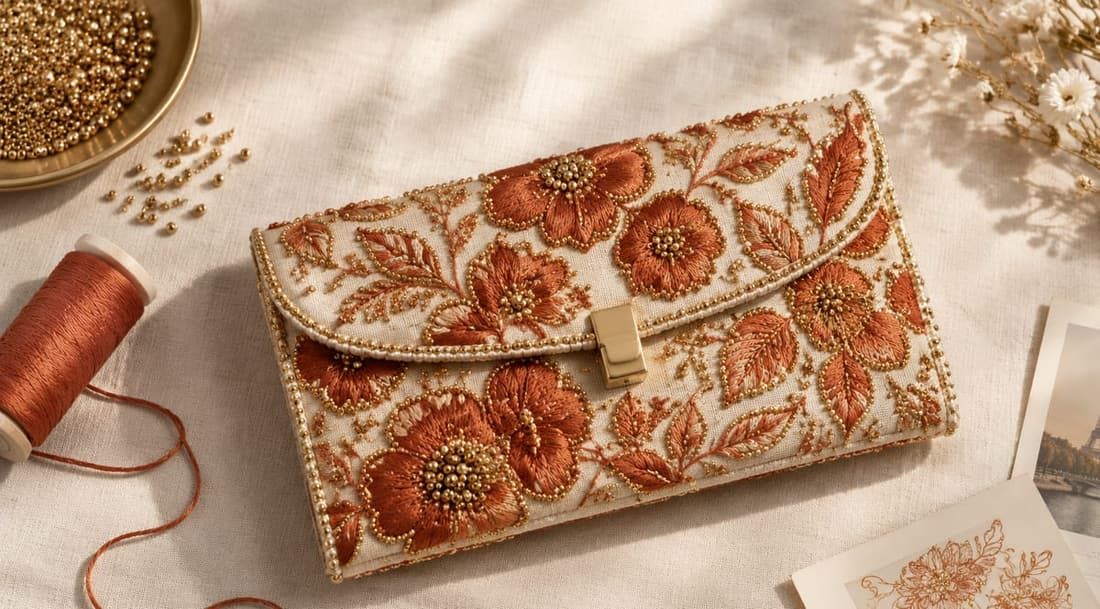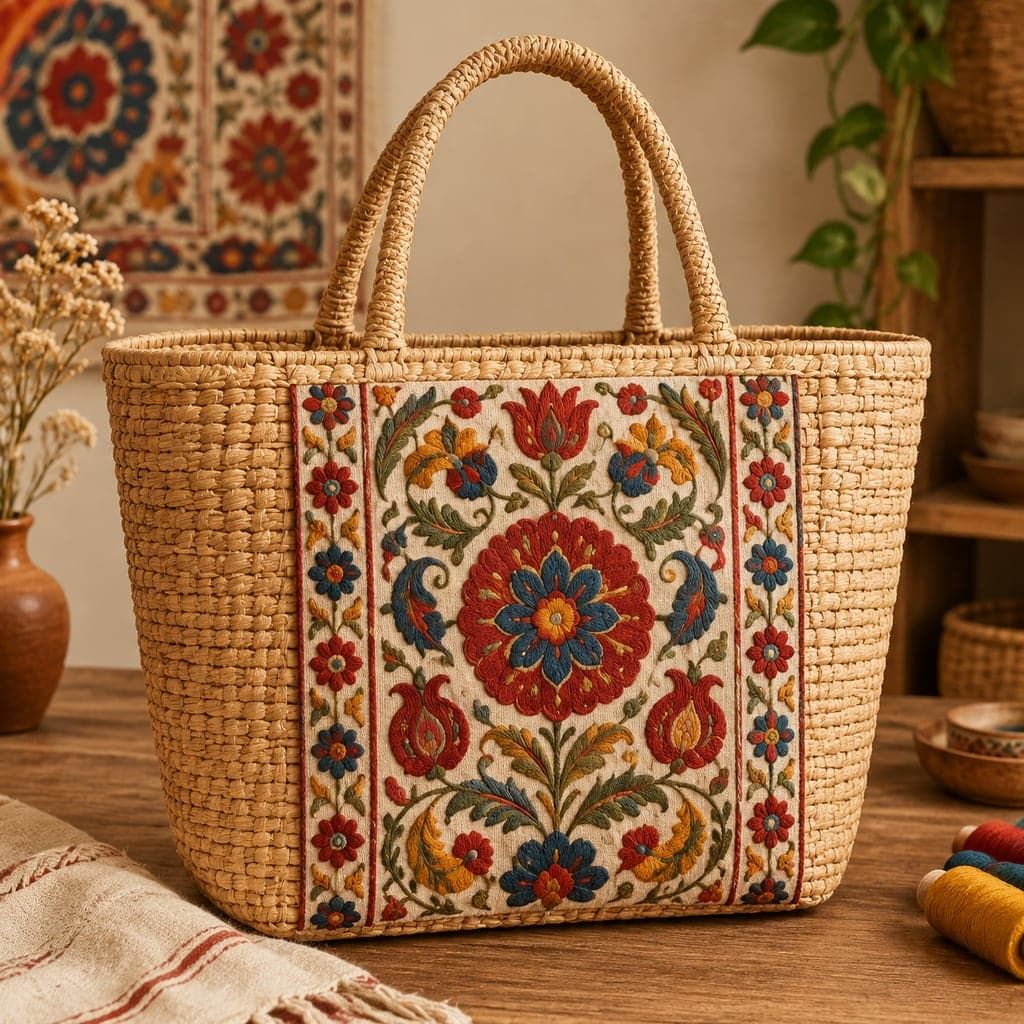
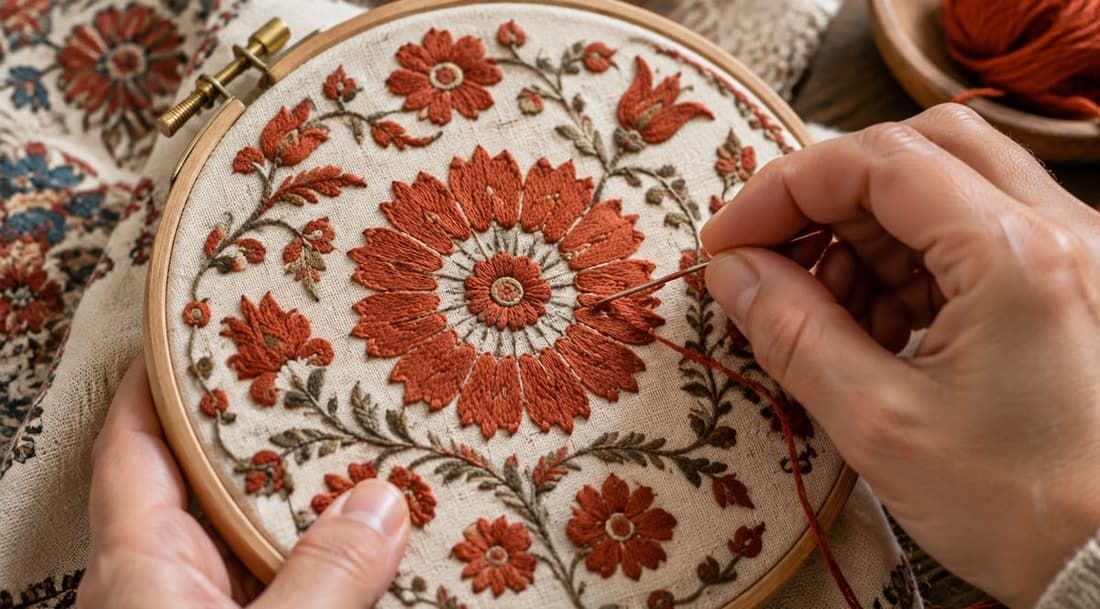
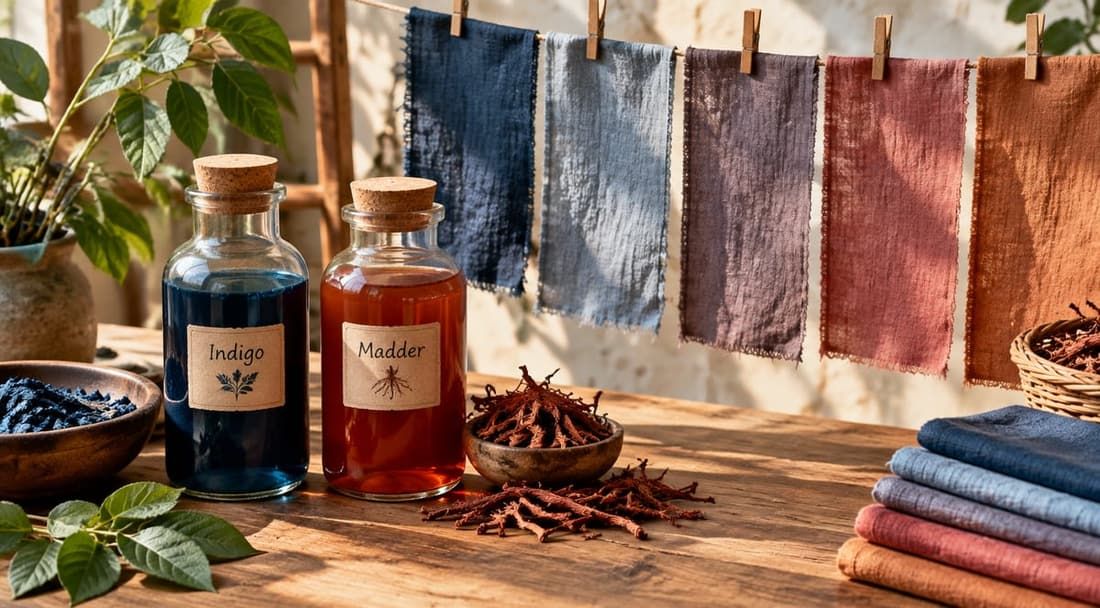
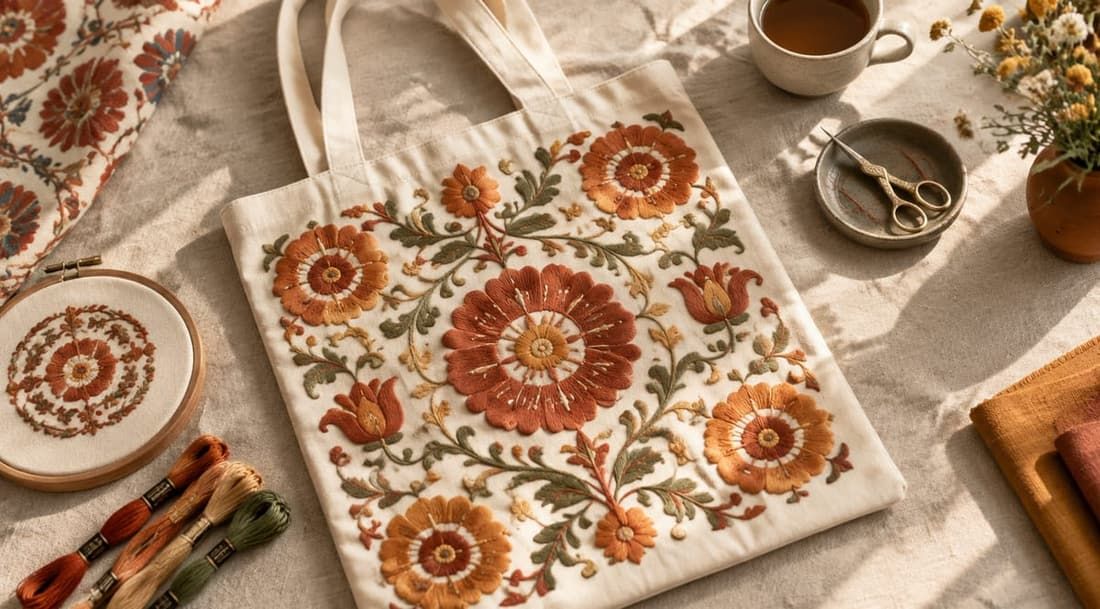
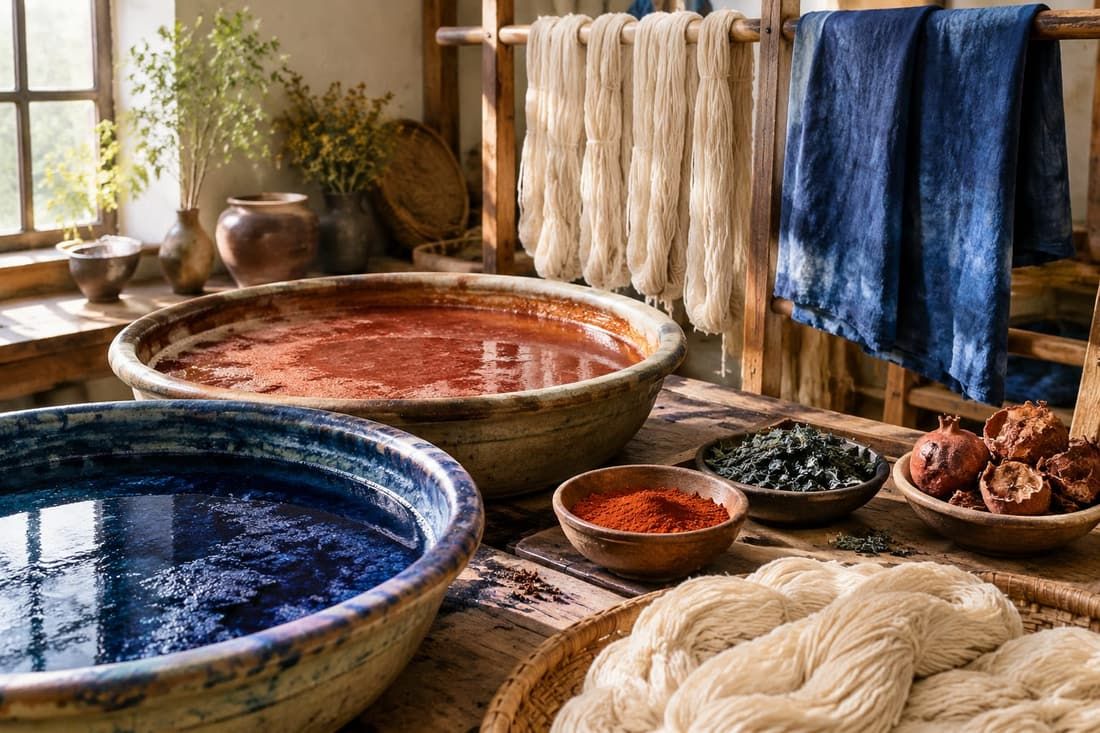
Many luxury buyers harbor a legitimate concern regarding natural plant dyes: will the colors fade or bleed onto light apparel under daily sunlight exposure? At TelvaBag, we proved that botanical dyeing can meet industrial export benchmarks.
The Cold-Vat Anaerobic Fermentation Technique
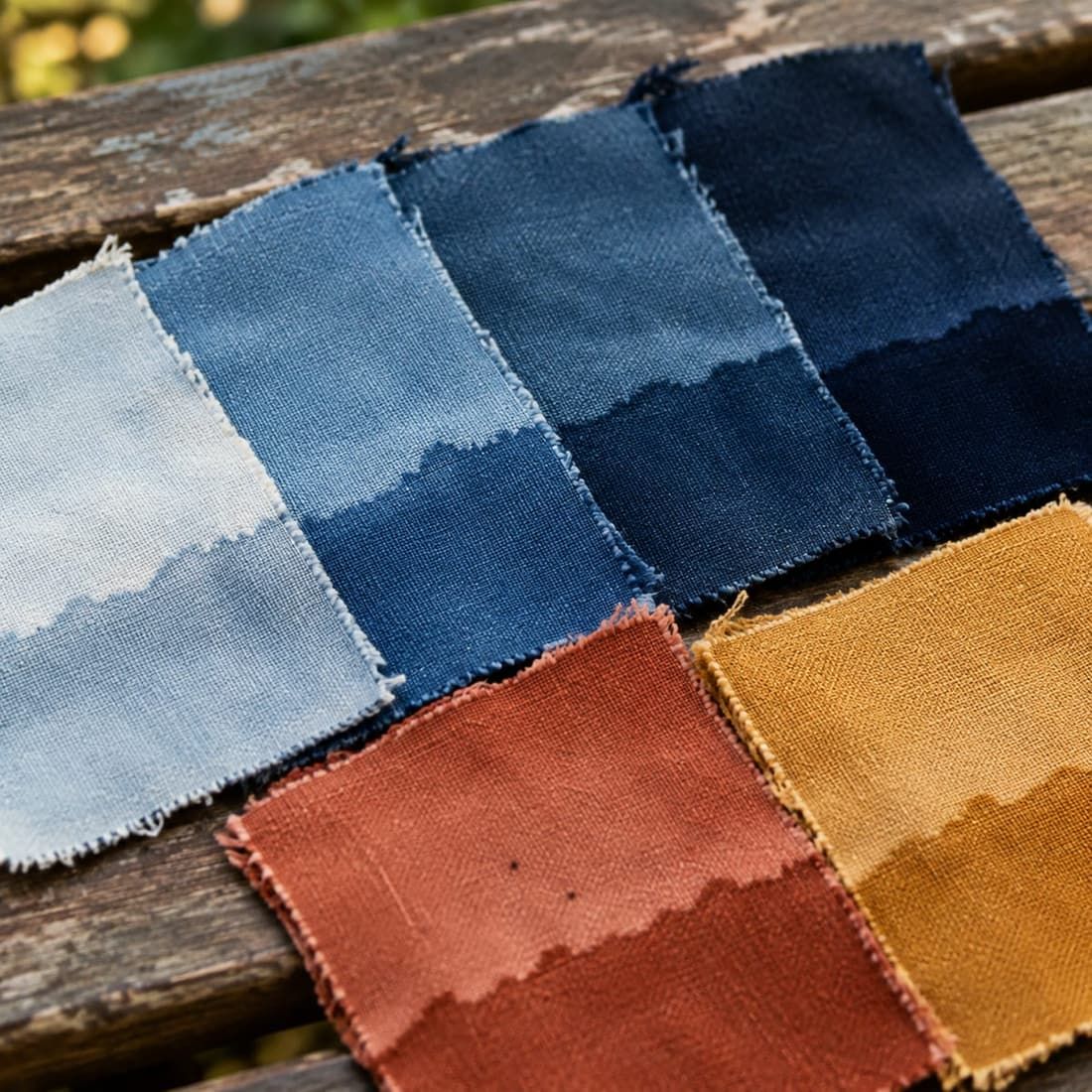
Rather than boiling leaves at high temperatures which degrades organic color molecules, we employ cold-vat anaerobic fermentation with pure indigo leaves and madder root. The organic reduction process bonds pigment particles deeply within combed cotton fibers.
D65 Light Box Calibration
Every lab dip is matched inside an industrial D65 standard light box against client-supplied Pantone TPX/TCX codes. We verify color values under artificial daylight, incandescent light, and fluorescent store lighting to guarantee metamerism consistency.
ISO 105 Grade 4–5 Compliance
Our natural mordanting process utilizes non-toxic organic mineral salts. Batches undergo rigorous ISO 105-B02 xenon arc exposure and ISO 105-X12 crocking tests, consistently achieving Grade 4–5 fastness with zero AZO or formaldehyde.
How does cold-vat botanical dyeing actually work?
Indigo does not dissolve in water. To dye with it, a vat is made alkaline and oxygen-poor so the pigment is chemically reduced into a soluble yellow-green form that can enter the fibre. When the fibre leaves the vat and meets air, the pigment oxidises back to insoluble blue inside the cotton. Madder behaves differently: its root pigment needs a mordant to bond with fibre, which is why madder and indigo run as separate baths.
The stages in our dye house
- Vat build: indigo, an alkali and a reducing agent are combined and held at controlled temperature until the vat reads as clear amber liquid with a coppery surface.
- Dip cycles: fibre is dipped, rested and re-dipped. Depth comes from repetition, and a deep indigo may take six to ten dips.
- Aeration and rinse: oxidation happens in air, then loosely bound pigment is rinsed away.
- Soaping: a warm soap bath removes surface pigment and improves rubbing fastness.
- Lab dip comparison: the dried swatch is checked against the client standard under D65 light, daylight and store lighting.
Botanical versus synthetic: a fastness reality check
| Property | Botanical indigo and madder | Reactive synthetic dye |
|---|---|---|
| Light fastness (ISO 105-B02) | Grade 4-5 with our mordanting process | Grade 5-6 typical |
| Rubbing (ISO 105-X12) | Grade 4-5 after soaping | Grade 4-5 |
| Colour range | Warm and earthy, naturally shifting | Wide and highly saturated |
| Exact Pantone match | Close, with a documented tolerance | Tight |
| Batch consistency | Varies with raw material and vat age | Very consistent |
| Story value | High, verifiable craft process | Low |
Why botanical dye lots differ, and how we control it
- Raw material season and origin change pigment concentration.
- Water hardness and mineral content shift the vat.
- Vat age: a mature vat dyes differently from a fresh one.
- Temperature and dip count change depth.
- Drying method changes surface shade but not the fibre interior.
The controls are unglamorous but effective: a physical retained standard sealed at approval, a written vat recipe per colourway, a limited dye-lot size so one order is dyed in a single run, and a bulk swatch submitted before cutting starts.
Quality checkpoints before bulk cutting
- Lab dip approved in a D65 light box against the client standard.
- Bulk dye-lot swatch compared side by side with the retained standard.
- Crocking test, dry and wet.
- Light exposure check on a retained strip.
- Wash test on a sewn seam, not only on flat fabric.
Honest limitations
Botanical dyeing is not the right answer for every colour brief. Deep blacks, neon brights and Pantone matches tighter than a documented tolerance normally need synthetic dyes. Natural dyes are also hygroscopic and shift slowly under UV exposure. That patina is the point of the material, but it should be a deliberate choice rather than a surprise at retail. Fastness figures on this page are workshop-reported; request the test report for the dye lot that will actually ship.
Botanical dyeing questions buyers ask
Is botanical dye fast enough for export?
For our indigo and madder builds we report ISO 105-B02 light fastness and ISO 105-X12 rubbing at grade 4-5 after soaping. Ask for the report covering the dye lot that will ship.
Can you match my Pantone code exactly?
We match closely and document the tolerance, but a natural vat is not a synthetic colourant. If the colour must repeat identically across seasons, specify a synthetic-matched thread.
Does it cost more?
Yes. Botanical dyeing adds vat time, dip cycles and separate baths, and is priced per colourway rather than per kilogram.
Will the colour fade?
It evolves rather than failing. Expect a slow, even shift under sustained UV, which is why a wash and care card ships with every botanical-dyed piece.
- Suzani embroidery origins How the classic madder and indigo palette reaches canvas.
- The botanical dye lab Cold fermentation vats and D65 colour control in the atelier.
- Canvas embroidery collections Bags built on botanical-dyed and natural canvas.
- Ask for a dye-lot test report Request fastness documentation for a specific colourway.
Production planning around a fermented vat needs one habit that synthetic dyeing does not: book the bath before you finalise the palette. A fermentation vat is a living process with a working life measured in days, not a powder you can mix on demand, so the number of colourways in an order has to be settled while there is still fermentation capacity in the schedule. Brands that finalise their palette late end up either paying for a second bath or accepting a visibly wider colour tolerance between production runs.
Agree the colour tolerance before the first vat, not after the first shipment. Botanical dyeing moves within a range rather than landing on a single value, and a tolerance written as a Delta-E figure or a named Pantone TCX neighbour is something both sides can measure. A tolerance agreed verbally is the same thing as no tolerance, and it is the most common source of a dispute on a naturally dyed programme. Both the target and the tolerance belong in the tech pack.