Hjem Studio, an independent resort and lifestyle label based in Copenhagen, approached our Dongguan atelier in early 2024 with a moodboard and an initial pilot request for just 80 units.
The Pilot Order: Testing Market Appetite
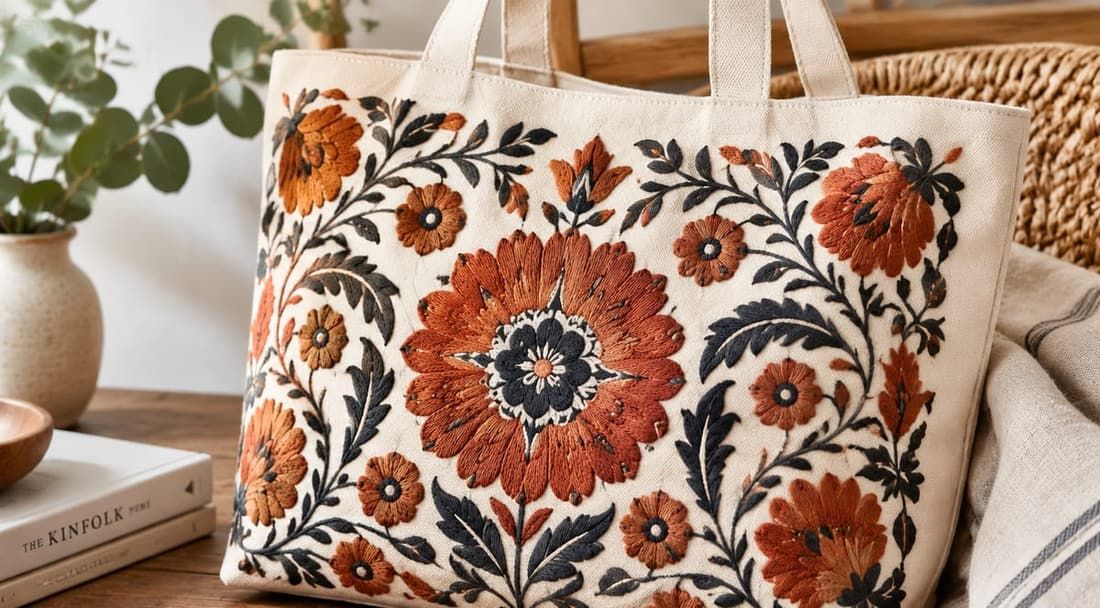
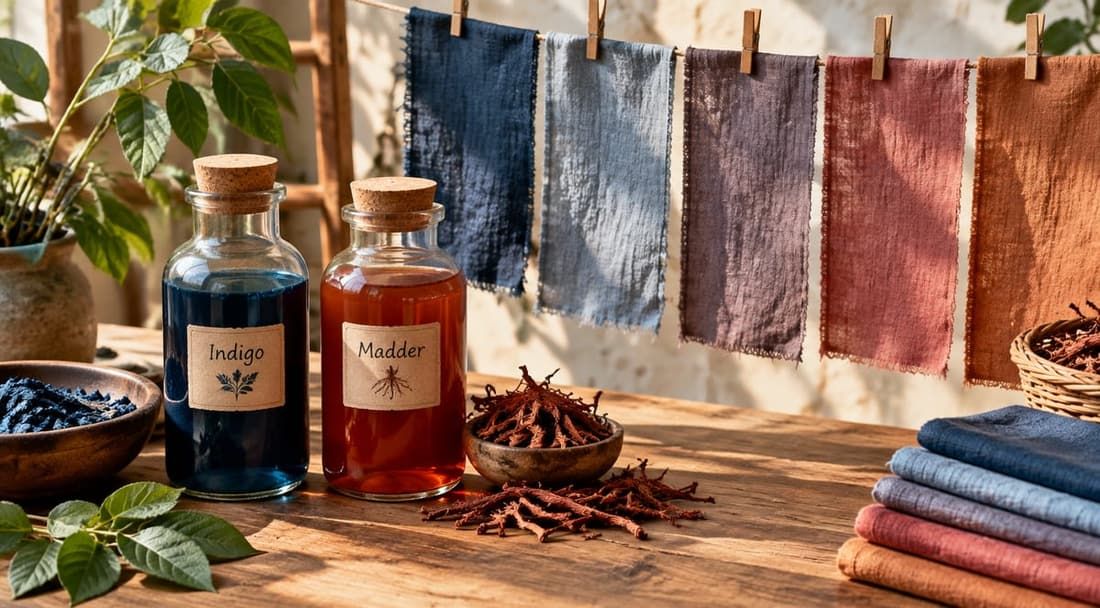
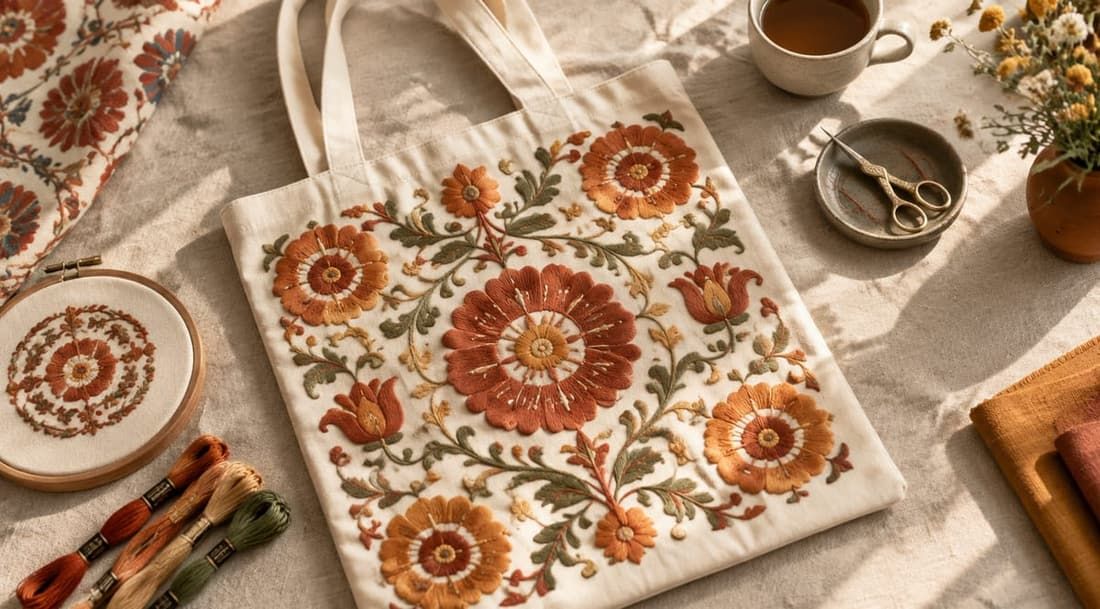
Their debut piece was a 16oz canvas tote accented with Suzani wildflower motifs in earthy madder root and terracotta. We delivered sealed physical samples within 10 business days and manufactured the 80 units in 32 days. Their retail price was set at €195, yielding a healthy margin over landed factory costs.
The Expansion: Adding Craft Variations
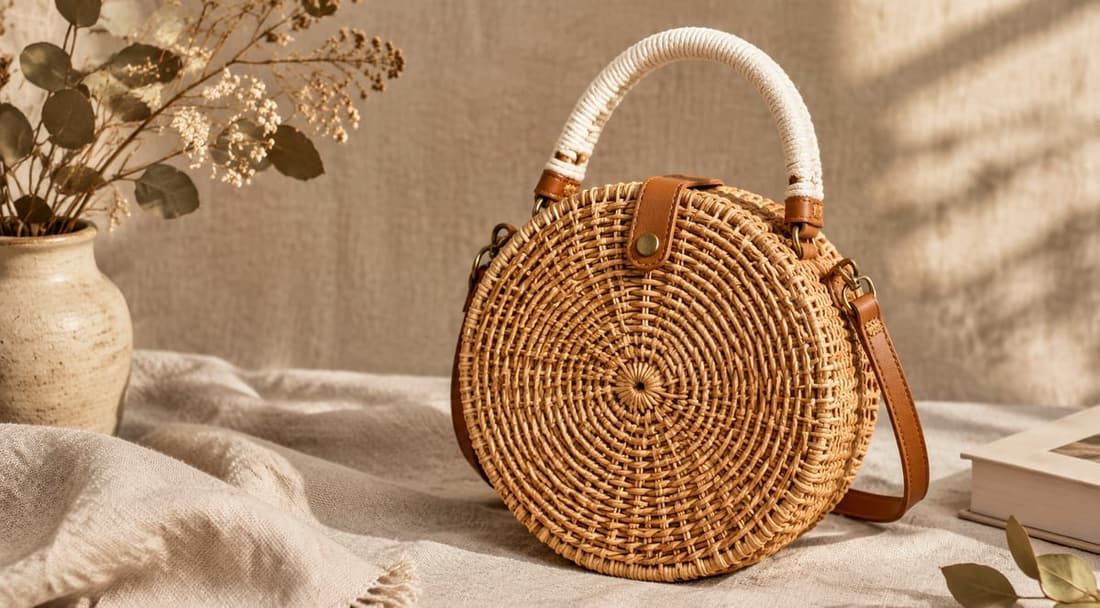
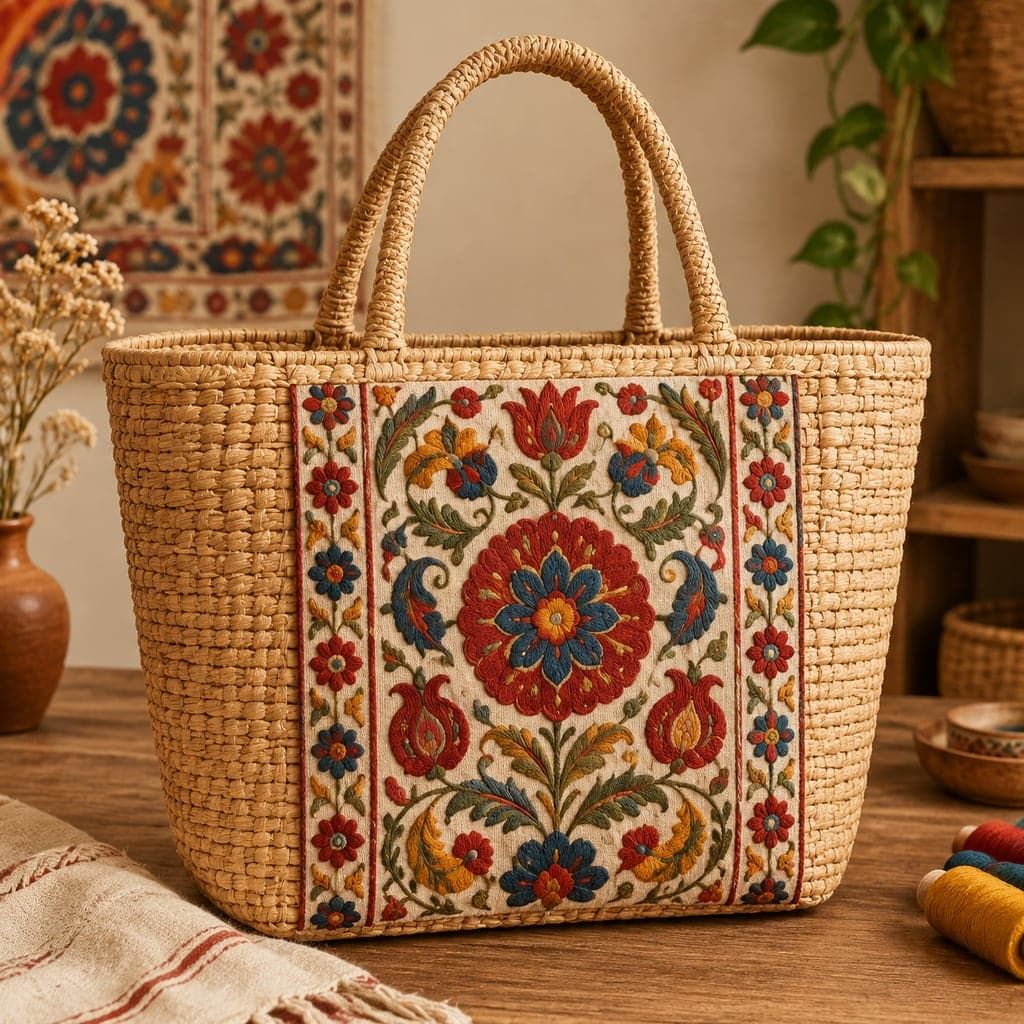
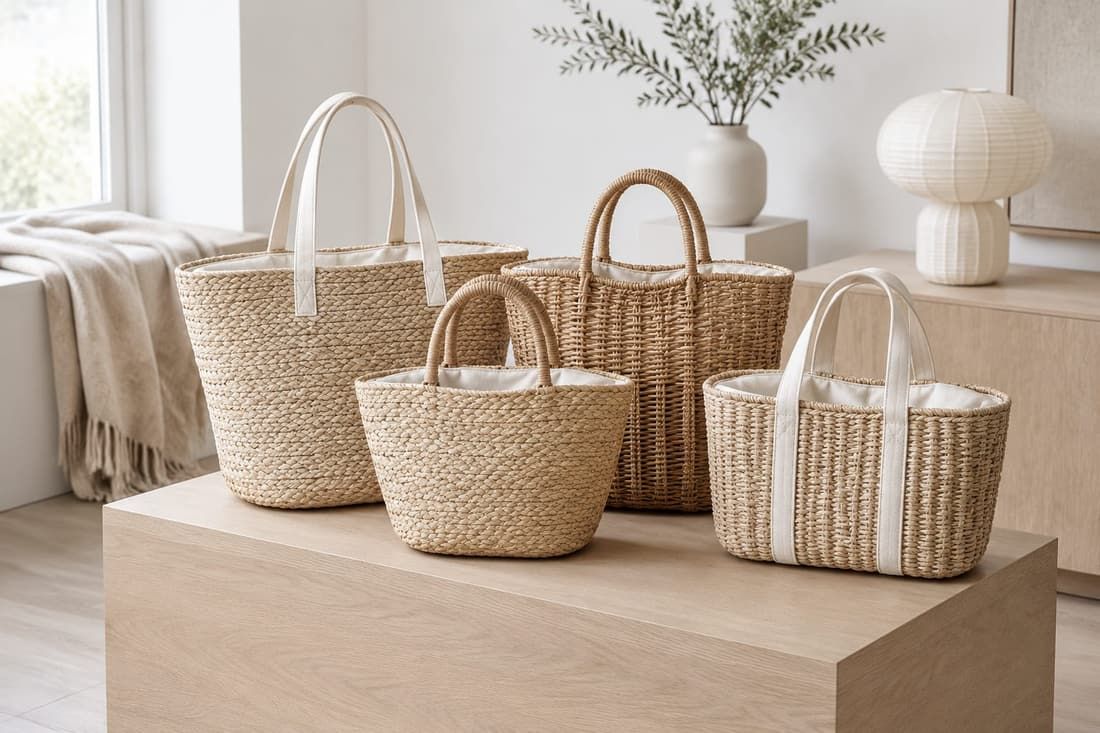
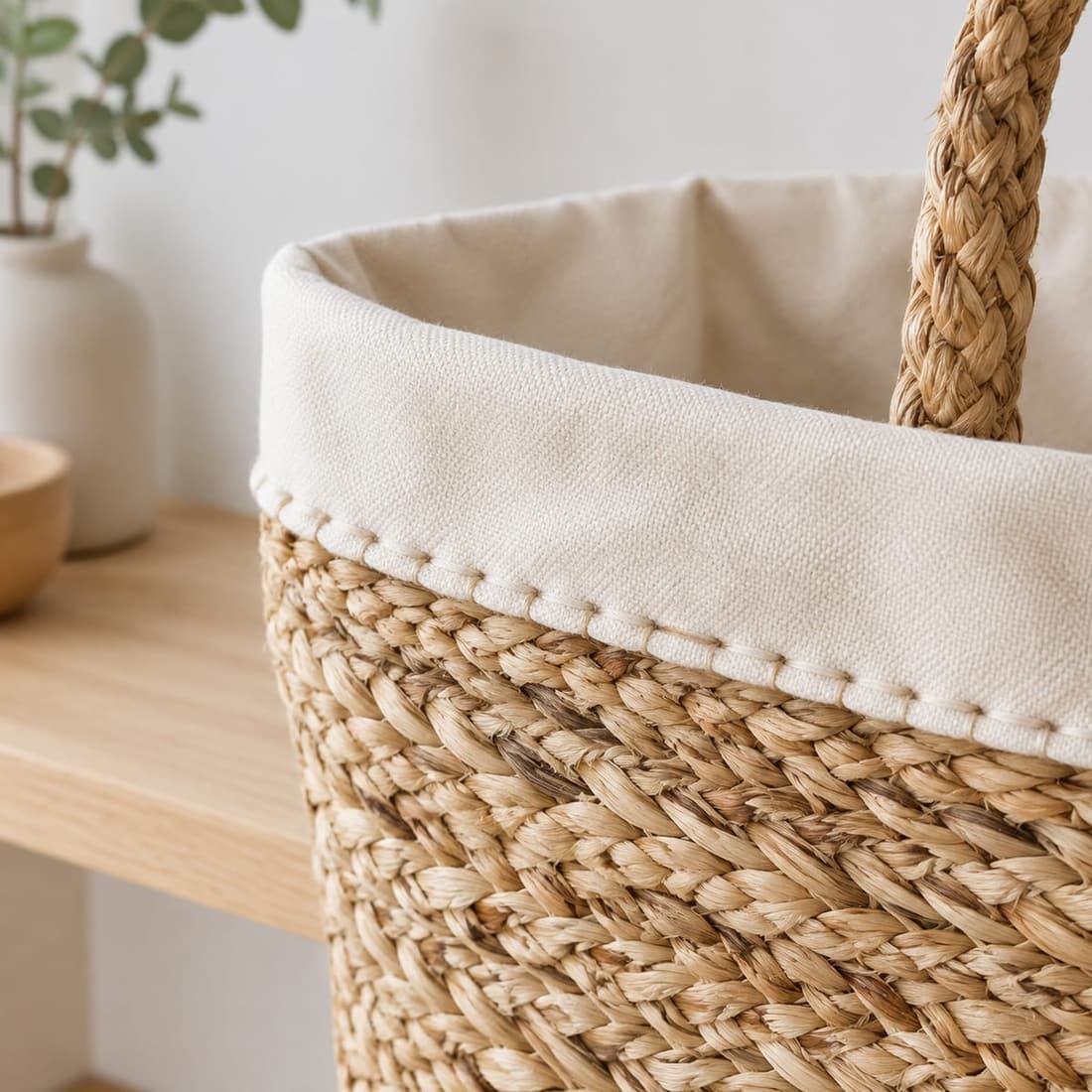
Encouraged by immediate sell-outs in their Copenhagen and Stockholm flagship stockists, Hjem Studio returned for Autumn with an expanded collection: matching cross-stitch pouches, woven sea grass flat shoppers, and bamboo bucket silhouettes.
Key Takeaways for Emerging Designers
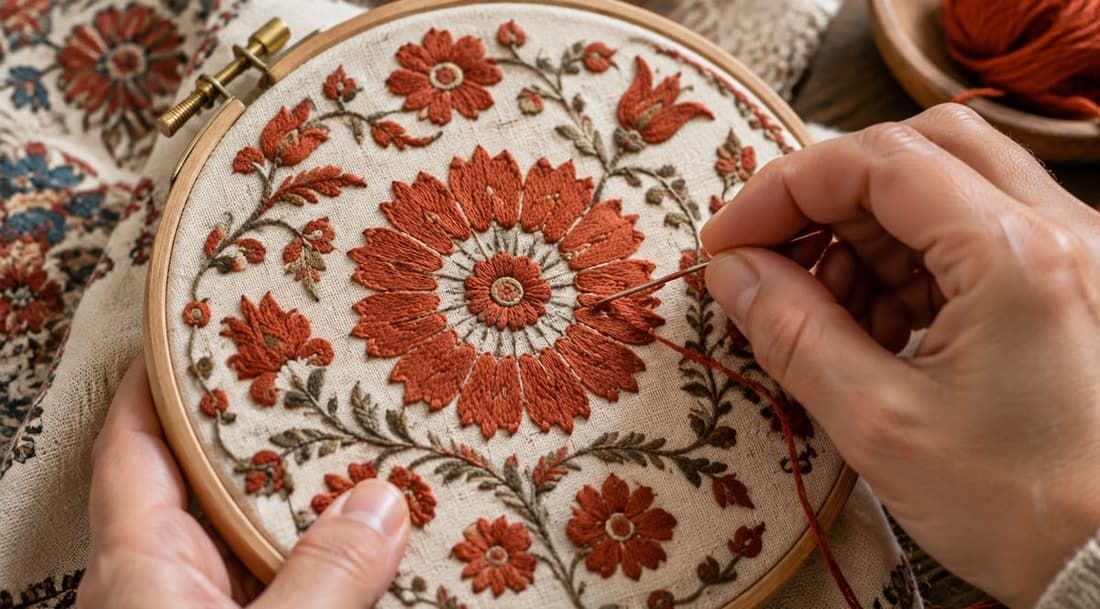
Low-MOQ sampling creates a risk-free runway for creative testing. Long-term brand scaling succeeds because our atelier unites diverse artisan crafts — needlework, rattan weaving, and botanical dyeing — under one standardized AQL 1.5 quality umbrella.
How a boutique brand can run a first order safely
A first order should be sized to answer one question: does this product sell at this price in my channel? Everything else — extra colourways, custom hardware, new silhouettes — adds risk before that question is answered. The pilot described here was built around that principle.
What was actually in the pilot
- One style: a 16oz canvas tote with Suzani wildflower motifs.
- One palette: madder root and terracotta on natural canvas.
- 80 units, one size.
- 10 business days to sealed sample, 32 days to bulk delivery.
- Retail set by the brand at EUR 195, which they reported as a healthy margin over landed factory cost.
How a pilot scales into a programme
| Stage | Order size | Assortment | What changes |
|---|---|---|---|
| Pilot | 80 pcs | One style, one palette | Validate price and presentation |
| Step 2 | 200-300 pcs | Add a second silhouette | Sample fee credited, unit cost falls |
| Step 3 | 500+ pcs | Full seasonal range | Custom hardware becomes viable |
| Steady state | 1,200 pcs per season | Four-season programme | Production slots booked a season ahead |
How we handle client names and commercial claims
Case studies are published only where the client has agreed. Where permission is not given we anonymise the brand and describe the process rather than the commercial result. Figures such as retail price and margin in this article are the brand own reported numbers at the time of the project, not a promise of your result. If you want a reference call, we ask the relevant client first.
What buyers should ask any atelier before scaling
- What is the real monthly capacity, and how many of those slots are already committed?
- Which QC standard applies, at what inspection level, and who signs the report?
- Is the sealed sample retained, and is it the binding standard for bulk?
- What is the reorder lead time, and what happens if a material runs out?
- How are price tiers defined, and what triggers a price change?
- Who owns the artwork, the moulds and the patterns?
Honest limitations
A pilot is not proof that a range will sell. This programme worked because the brand had a clear channel, one strong silhouette and the discipline not to add complexity too early. Brands that start with six styles and custom hardware usually spend their budget on tooling instead of learning. We also cannot publish every result we would like to: some collaborations stay confidential by contract.
Collaboration questions buyers ask
Can we start with fewer than 80 pieces?
Yes. 50 pieces per style and colourway is our production minimum; below that we prototype.
Do you sign NDAs?
Yes. We work under NDA for development and do not publish client names without written permission.
Can you match a target price point?
Sometimes. Send the target retail and landed cost and we will show which construction, material or finishing changes close the gap, and what quality you would give up.
- The 50-piece low-MOQ playbook How to size a first order without dead stock.
- Mixed-media seam engineering What scaling a woven-and-embroidered style demands.
- Reference collections Styles that boutique brands commonly start with.
- Start a confidential project We will work under NDA from the first brief.
The reason a second order can skip sampling is not goodwill, it is documentation. The pilot produced a sealed unit, and that approved sample is what lets the following seasons start without repeating the development round. Before a first order ships, it is worth agreeing which artefacts will exist at the end of it: the sealed unit and its measurement sheet, the approved colour reference, and the pattern block. If any of the four is missing, the next season starts from a question rather than from an answer.
It is also worth agreeing in advance what happens if a bulk inspection finds a deviation. The useful answer names a tolerance, a remedy and who pays, before there is anything to argue about. A supplier who cannot answer that question calmly in the quotation stage will not answer it calmly under deadline pressure.
One clause worth adding to any pilot order: state what happens if the brand decides not to continue. The usual split is that the pattern block stays with the atelier and the brand keeps the digitised motif it commissioned. Writing that down at the start costs an hour and removes the only genuinely uncomfortable conversation a pilot can produce.
That clause is worth stating explicitly rather than leaving to goodwill: the pattern block stays with the atelier, the brand keeps the digitised motif it commissioned, and neither side has to negotiate it under deadline pressure later. An hour of drafting at the start is cheap against the alternative.