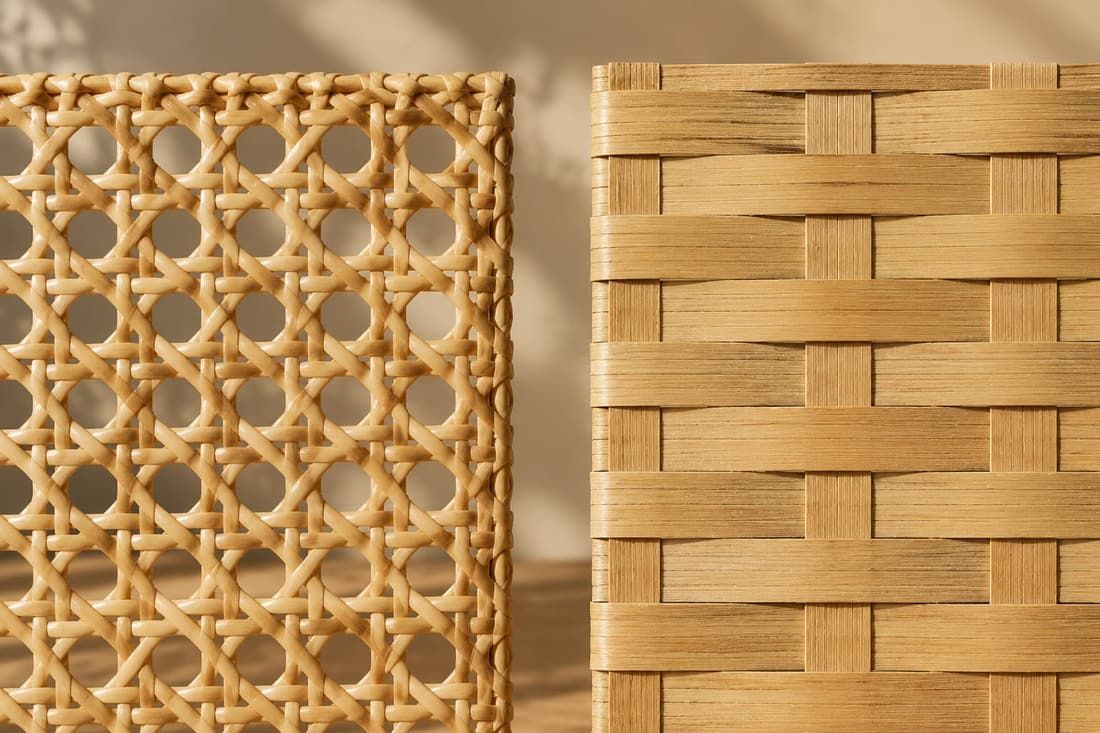
Natural hand-woven bags continue to dominate spring/summer luxury resort and beach collections. However, designers frequently wrestle with choosing between two premier natural fibers: wild rattan peel and carbonized bamboo strips.
1. Indonesian Wild Rattan: Pliant Resilience
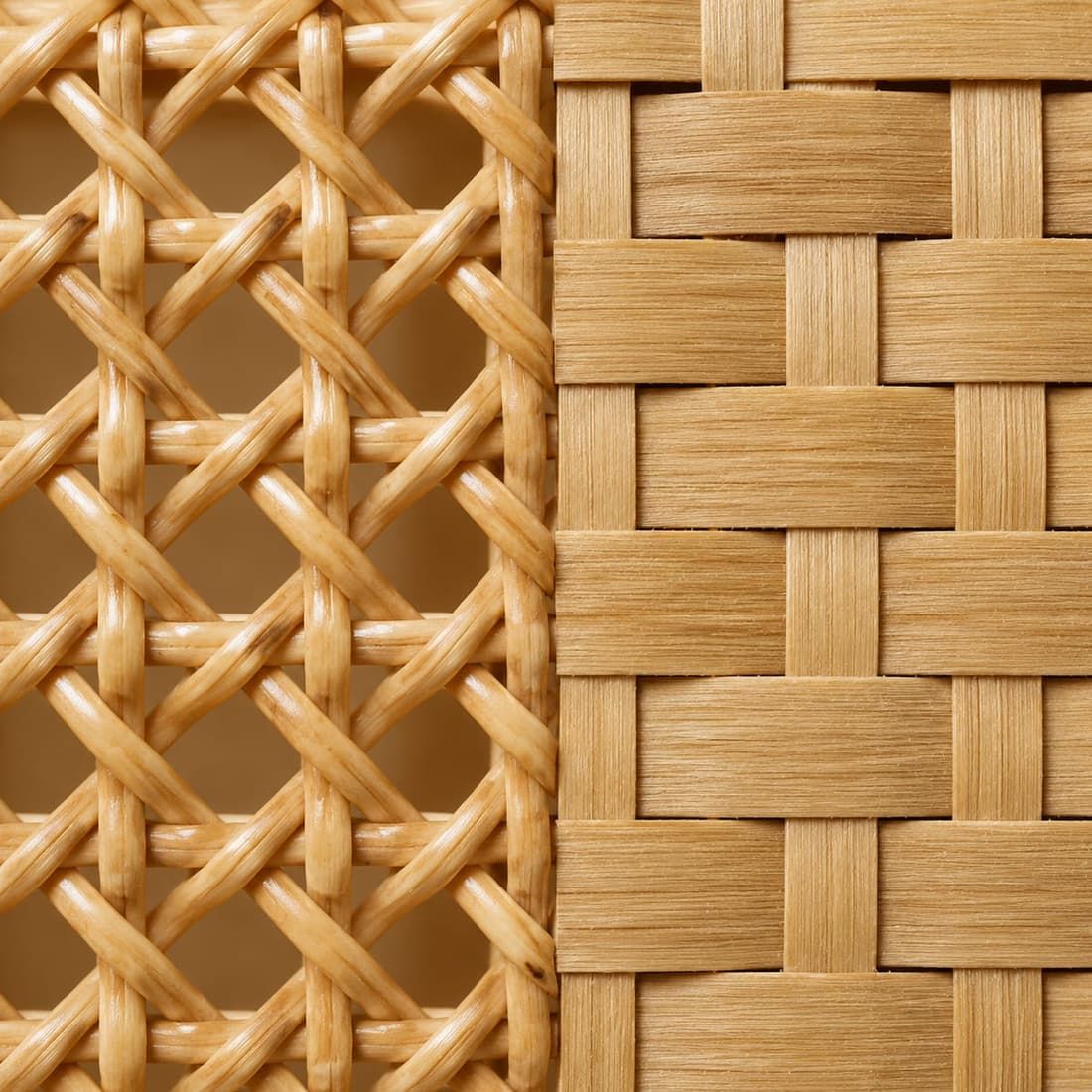
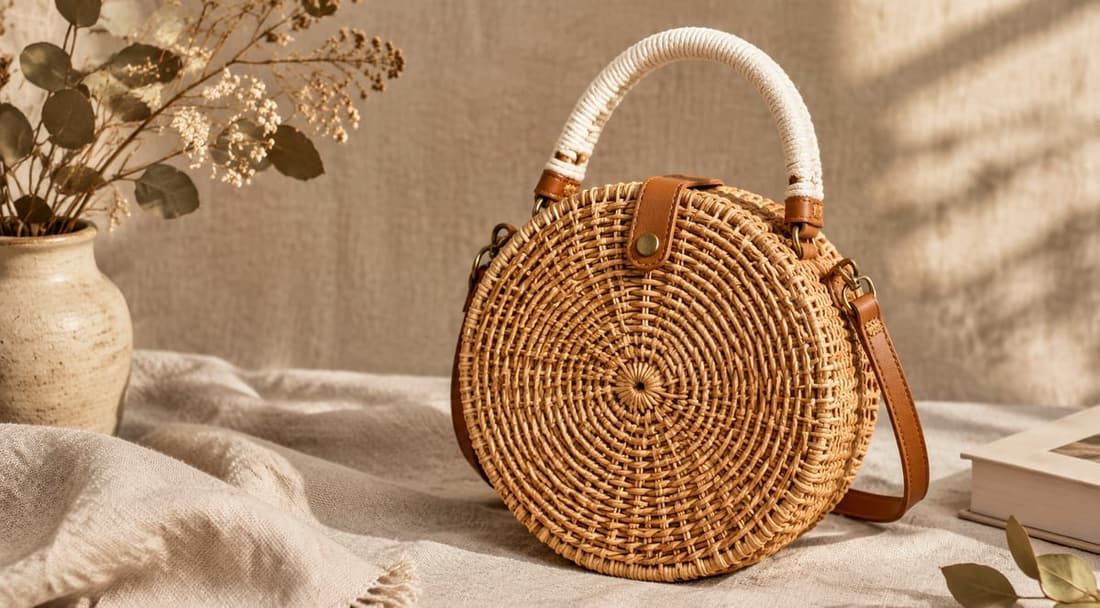
Imported Indonesian wild rattan features long, unbroken cellular fibers. When woven into open hexagonal cane patterns, it delivers incredible flexibility and tensile resistance. It absorbs dynamic shock effortlessly and softens pleasantly with natural patina over time.
2. High-Altitude Carbonized Bamboo: Architectural Form
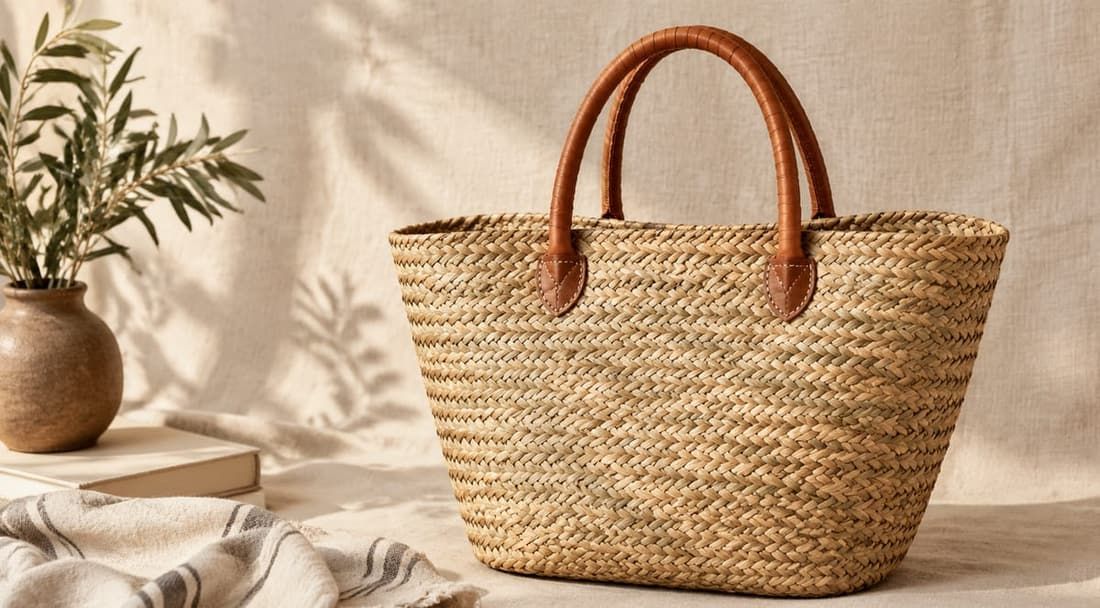
Bamboo possesses higher linear rigidity. After high-pressure steam boiling (which removes sugars to prevent mold) and carbonization, bamboo strips retain their crisp geometric planes, making them the premier choice for modern cylindrical buckets and structural cages.
Anti-Mold Protocols for International Export
Raw natural strands in our Dongguan atelier are steam-treated and kiln-dried with moisture checks before packing. The process helps reduce mold risk during humid storage and maritime shipping; final performance still depends on packaging, transit conditions, and destination handling.
Rattan or bamboo: which should your bag use?
Choose rattan when the silhouette has to flex and recover: round totes, soft rounded bags, anything carried against the body. Choose bamboo when the design depends on flat planes and crisp geometry: bucket bags, box shapes, architectural frames. Many of the strongest resort bags use both, with bamboo ribs for structure and rattan for the woven surface.
| Property | Indonesian wild rattan | Carbonised bamboo |
|---|---|---|
| Fibre form | Long unbroken cane, round or oval section | Split strips from a hollow culm |
| Stiffness | Flexible, recovers its shape | High linear rigidity |
| Typical weave | Open hexagonal, wrapped rims | Flat lattice, tight geometric grids |
| Weight feel | Lighter per volume | Denser, feels more solid |
| Moisture behaviour | Hygroscopic, moves with humidity | Hygroscopic, can split if over-dried |
| Mould risk | Reduced by boiling and kiln drying | Reduced by sugar removal and drying |
| Best silhouettes | Round bags, soft totes, rounded baskets | Bucket bags, box bags, ark frames |
| Repair | Local re-weaving is possible | Splits are harder to disguise |
| Relative cost index | Mid | Mid to high depending on finishing |
Structural behaviour that matters at design stage
- Load path: in a woven bag the rim carries most of the vertical load, so reinforcement belongs at the rim rather than the panel.
- Bend radius: rattan tolerates a tighter bend, which is why round bags are usually rattan.
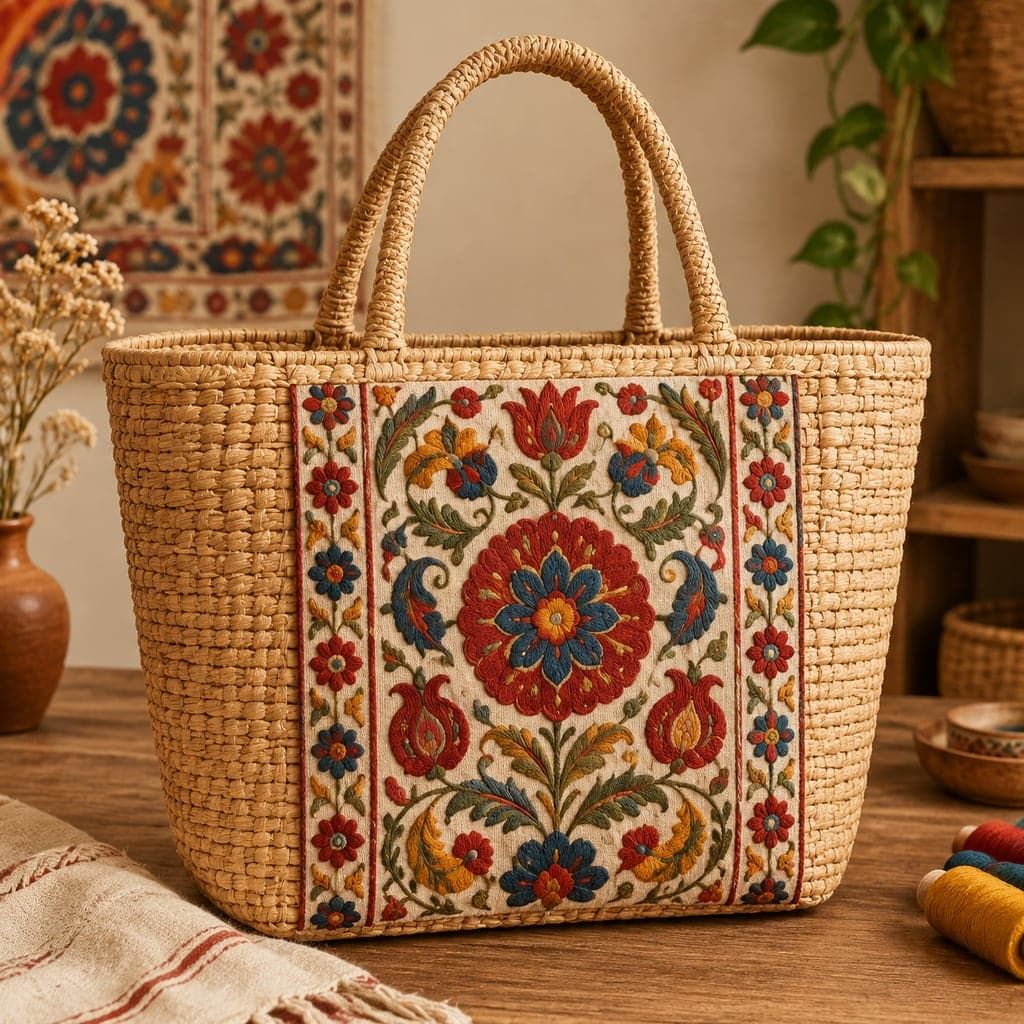
- Plane stability: bamboo holds a flat face, making it the better choice when the bag front must stay flat for embroidery or a hardware plate.
- Mixed frames: bamboo ribs inside a rattan weave give a crisp silhouette without losing the open woven surface.
- Handle interface: whatever the fibre, the handle anchor is the first joint to fail, so it needs a leather pad and a metal rivet rather than stitching alone.
Anti-mould and moisture control for sea freight
- Boiling or steaming to remove the sugars and starches that mould feeds on.
- Kiln drying to a controlled moisture content before weaving, verified with a moisture meter rather than by feel.
- Packing with desiccant and a moisture barrier, avoiding sealed cartons that trap damp air.
- Pre-shipment inspection that includes a mould check on packed goods, not only on the loose sample.
- Storage guidance for the buyer: ventilated space, ideally below roughly 60% relative humidity.
Care, repair and end of life
- Wipe with a dry or barely damp cloth; never soak the weave.
- Re-oil or wax rattan sparingly so it does not dry brittle in heated interiors.
- Reshape a bent rim gradually; forced reshaping cracks the cane.
- Both fibres compost at end of life once metal hardware is removed.
Honest limitations
Neither fibre is mould-proof. Both are natural and hygroscopic, and a humid warehouse or a sealed container in the tropics can still affect them. We describe our process as reducing risk rather than eliminating it, and we recommend desiccant, ventilation and inspection on arrival. Rattan diameter and shade also vary between harvests; if you need a perfectly uniform surface, a synthetic woven material will serve you better.
Rattan and bamboo questions designers ask
Which lasts longer, rattan or bamboo?
Both last if they stay dry. Bamboo is more dimensionally stable but splits when over-dried; rattan flexes instead of cracking but relaxes over time. Storage conditions matter more than the fibre choice.
Can both be combined in one bag?
Yes, and it is our most common request for structured bags: bamboo ribs for the frame and rattan for the woven surface.
Do you guarantee no mould?
No, and no atelier honestly can. We boil or steam the fibre, dry it to a controlled moisture content, pack with desiccant and inspect before shipping, which reduces risk substantially.
How should the finished bag be stored?
Dry, ventilated and out of direct sun, ideally below about 60% relative humidity.
- Hand-woven rattan circle bag Rattan weave, wrapped handle and lining detail.
- Bamboo geometric bucket bag A crisp bamboo lattice frame with a drawstring pouch.
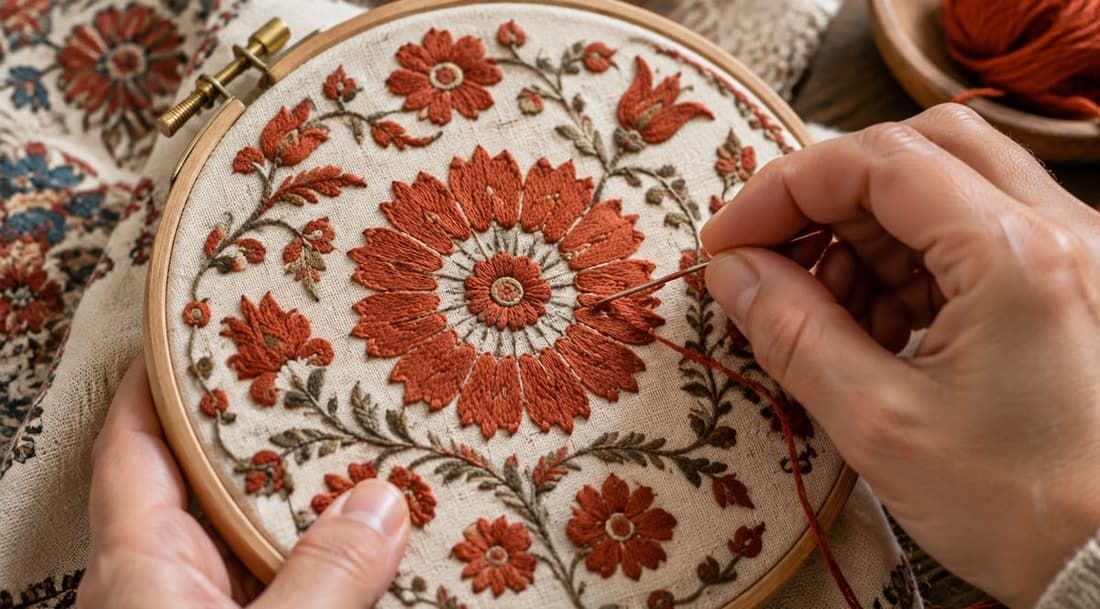
- Mixed-media seam engineering How woven bodies are joined to embroidered panels.
- Discuss a woven development Send a silhouette for a fibre and structure recommendation.
Whichever fibre you choose, ask about repair before you ask about price. Rattan can be re-woven locally around a damaged section, which matters for any brand offering repairs in a European market. Carbonised bamboo usually fails at the joinery rather than the strip, so the fix is a new joint rather than new material. A programme that budgets for some repair work in the first year is being realistic; one that assumes none is really planning for a return.
Most briefs that reach us frame the rattan vs bamboo question as a styling choice, but it is really a structural one: the fibre decides which silhouettes still hold their shape after a season of use. In practice, rattan and bamboo bags are ordered together more often than they are ordered apart, because the strongest resort programmes use bamboo for the frame and rattan for the woven surface.