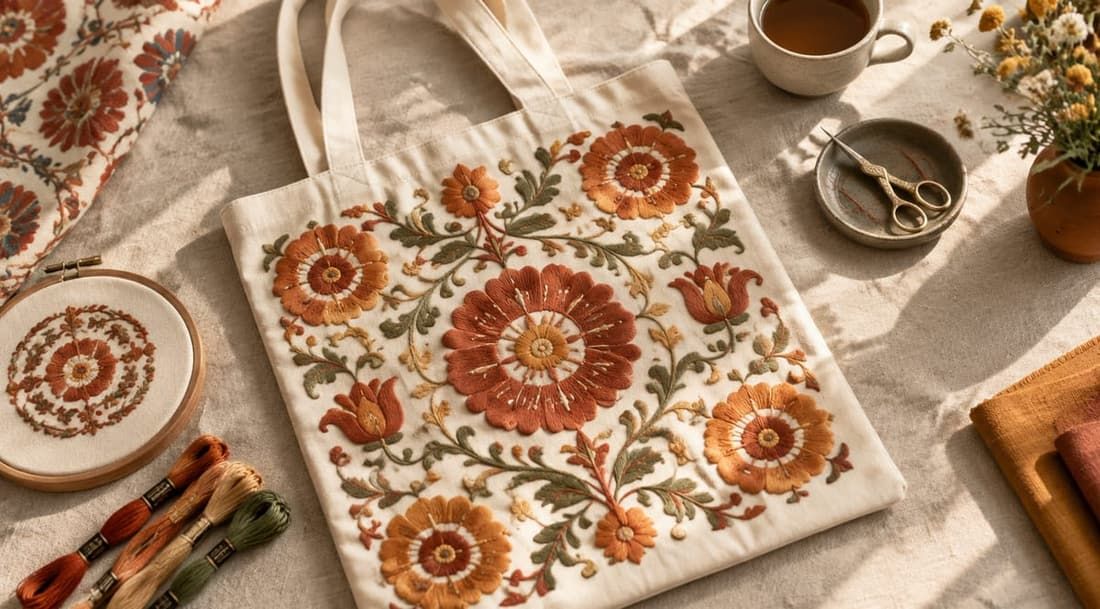
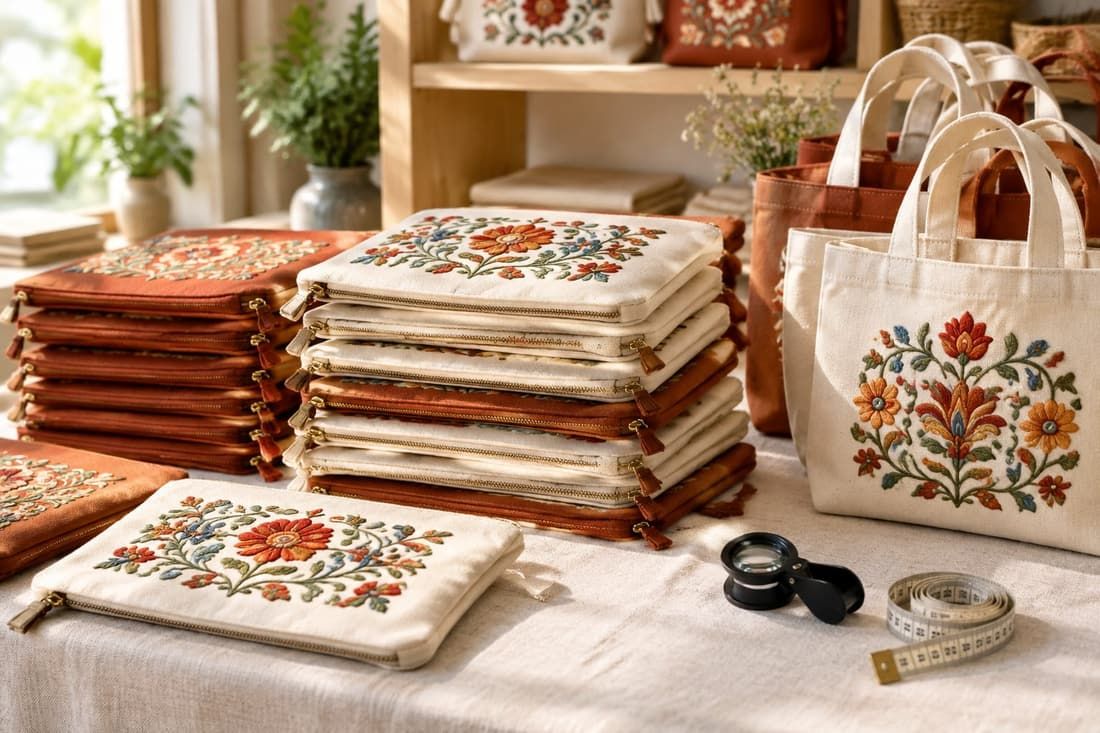
For emerging fashion and lifestyle labels, cash flow and inventory risk represent the two greatest existential threats. Traditional factories in Southeast Asia or coastal China typically impose minimum order quantities (MOQs) of 500 to 1,000 units per colorway.
The TelvaBag 50-Piece Agile Philosophy
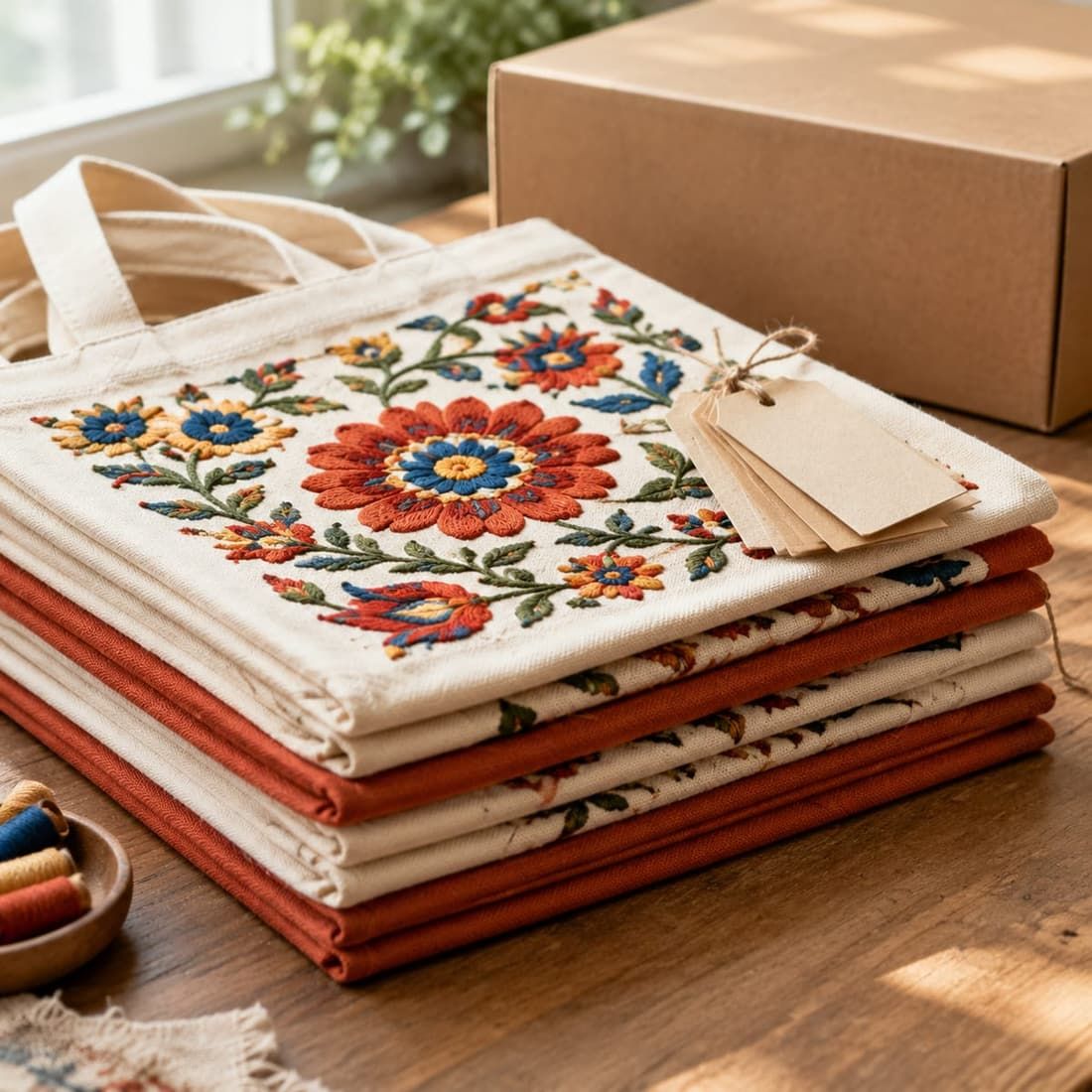
We structured our atelier around 83 dedicated full-time artisans rather than monolithic assembly conveyor belts. This enables us to maintain a minimum order quantity of just 50 pieces per style/colorway, allowing brands to launch test collections without warehouse bloat.
100% Sample Fee Reimbursement
We believe sampling is an investment in shared success, not a profit center. When your bulk production order reaches 200 units within six months of prototype sign-off, the initial prototype fee is credited 100% back against your invoice.
Transparent Tiered Pricing
We provide transparent price schedules across 50, 200, 500, and 1,000 unit tiers, complete with full export documentation and air/ocean freight logistics support.
Why is low MOQ normally expensive?
Small orders are expensive because fixed costs are divided across fewer units. Cutting, sampling, colour approval, line changeover and QC set-up cost roughly the same whether you make 50 pieces or 500. Many factories recover that by raising the minimum. Our approach is structural rather than a discount.
- Station-based artisan layout instead of a long assembly line, so changeover between styles is short.
- Shared material runs: standard canvas, lining and thread qualities are held in stock rather than bought per order.
- Standard hardware: no new tooling on a first order, so no mould cost amortised into each piece.
- Separately quoted tooling: new brass or logo plates are priced only when volume justifies them.
- Digital colour control: D65 lab dips replace repeated physical rounds.
What the order tiers actually change
| Tier | Typical use | Unit cost trend | Tooling | Lead time |
|---|---|---|---|---|
| 50 pcs | Market test, one style and colourway | Highest per unit | Existing hardware only | 25-35 days after approval |
| 200 pcs | Proven style, sample fee credited | Lower | Small logo plate possible | 25-35 days |
| 500 pcs | Seasonal collection | Lower still | Custom hardware viable | 30-40 days |
| 1,000 pcs | Core programme | Best per unit | Dedicated tooling and bulk materials | Scheduled per order |
Tier pricing is indicative and depends on construction, material and finishing. Confirm against a specific style before you plan retail margin.
How to plan a first collection at 50 pieces
- Choose two or three hero styles rather than six average ones, so each earns attention on the shelf and in photography.
- One colourway per style in round one; add colour in round two once a style proves itself.
- Avoid custom hardware and new moulds on the first order: they add cost and weeks.
- Reuse one lining and one thread palette across the range to cut changeover and colour risk.
- Book the production slot when you approve the sample, not when it arrives.
The numbers a buyer should check before committing
- Landed cost, not ex-works price: freight, duty and packaging change the comparison between suppliers.
- Retail multiple: boutique pricing usually needs roughly a 3-4x multiple on landed cost to absorb returns and markdowns.
- Sell-through window: how many weeks the style gets before it is discounted.
- Reorder lead time: 25-35 days plus transit means a late decision misses the season.
- Dead stock risk: at 50 pieces the downside is small; at 500 it becomes a cash-flow event.
What we will say no to
To keep 50-piece orders viable, some requests have to be declined: a fully custom brass mould on a 50-piece run, orders that copy another brand design, and rush bulk production inside the sampling window. We also will not promise a bulk date before the sample is signed, because the sample is what defines the standard.
Low-MOQ questions buyers ask
Is the 50-piece minimum real?
Yes. 50 pieces per style and colourway is our production minimum. Below that, single-piece prototyping is the right route.
When is the sample fee credited?
In full, against a bulk order of 200 pieces or more placed within six months of sample sign-off.
Can sizes be mixed inside one 50-piece order?
Yes. Sizes can be split within a style; the minimum applies to style and colourway, not to each size.
Do you handle packaging and labels?
Yes: woven labels, hangtags, dust bags and export cartons are quoted as part of the order, and we can work from your print-ready artwork.
- OEM sampling templates Download the tech pack, proforma invoice and inspection sheets.
- Inside the 10-day sample workflow How a brief becomes a sealed prototype.
- Reference collections Styles that can be rescaled to your brief.
- Request tier pricing Send a style for pricing at 50, 200, 500 and 1,000 pieces.
The most common mistake with a low-MOQ programme is treating it as a scaled-down version of a large order rather than as a different instrument. A 50-piece run exists to answer one question: will this shape sell at this price through this channel. It is not a way to test five styles at once, because each style consumes its own grading, its own digitising and its own sealed sample, and the fixed cost per style does not shrink with the quantity. Pick the one style you would stake the season on, run it properly, and let the sell-through data decide what joins the range on the following order.
A last note on margin. At 50 pieces the unit price is real, but the gross margin per unit looks thinner than a brand is used to, because the fixed costs are concentrated rather than spread. The figure to watch is not unit margin at the pilot stage but the unit margin you expect at the third order, once grading and digitising are behind you. A pilot that looks expensive next to a five-thousand-piece quote is usually competitive against the tier you will actually be ordering from. That is the number the next order will be built on.