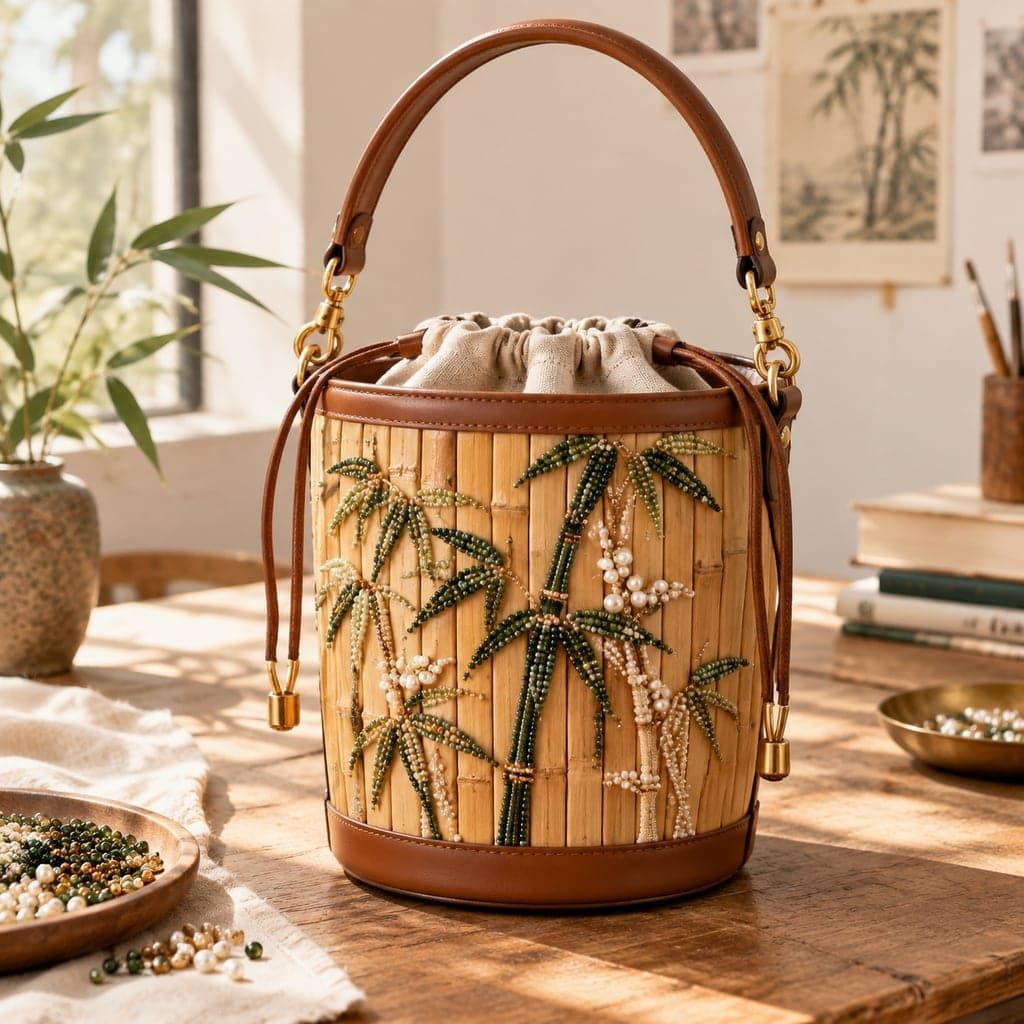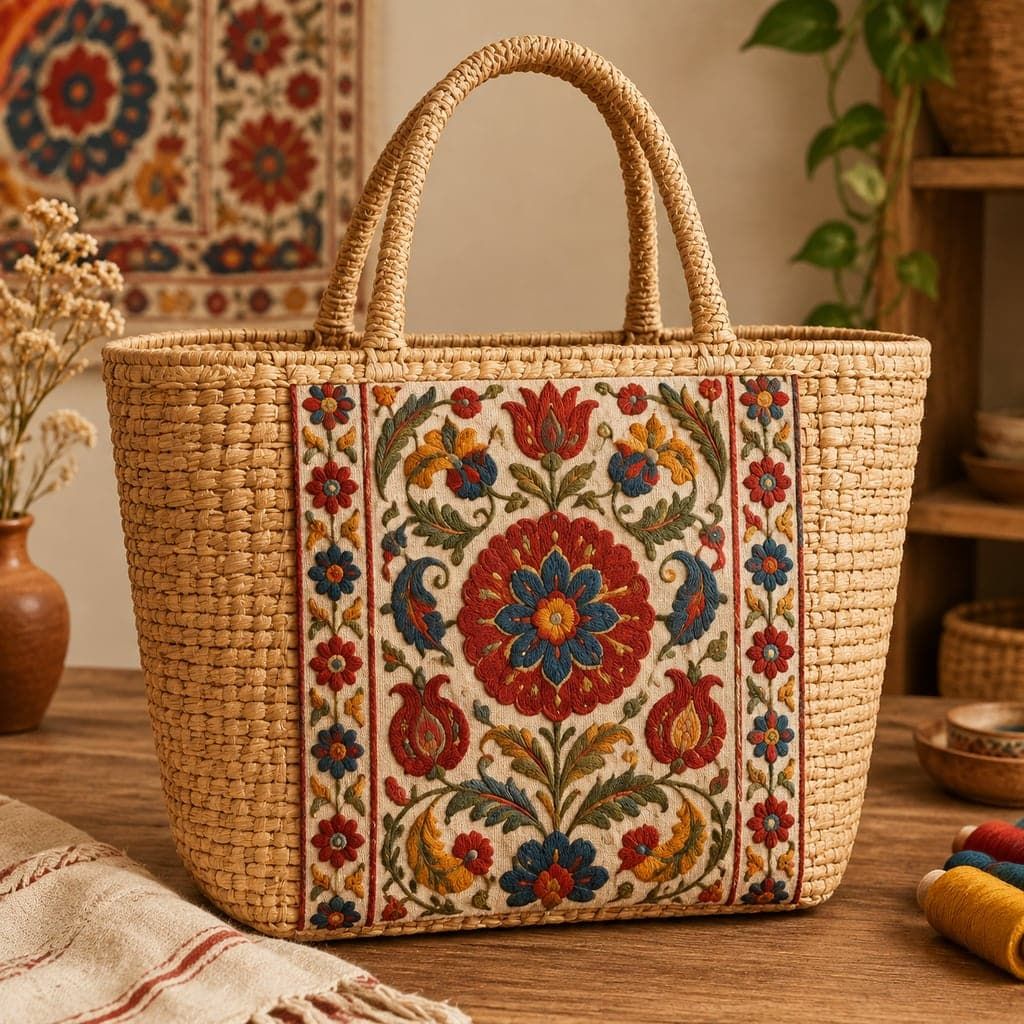
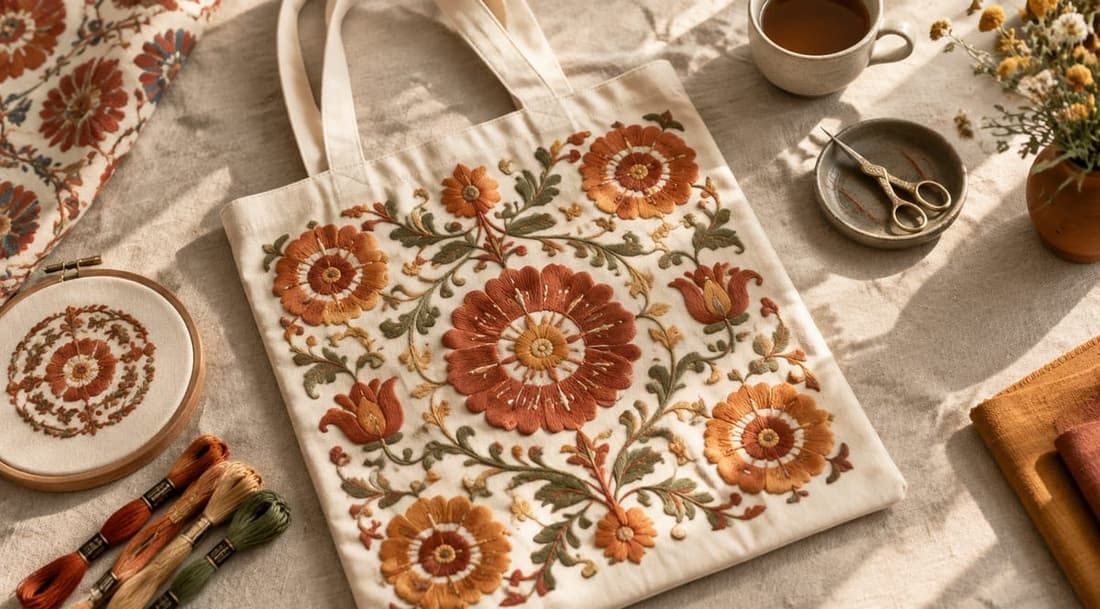
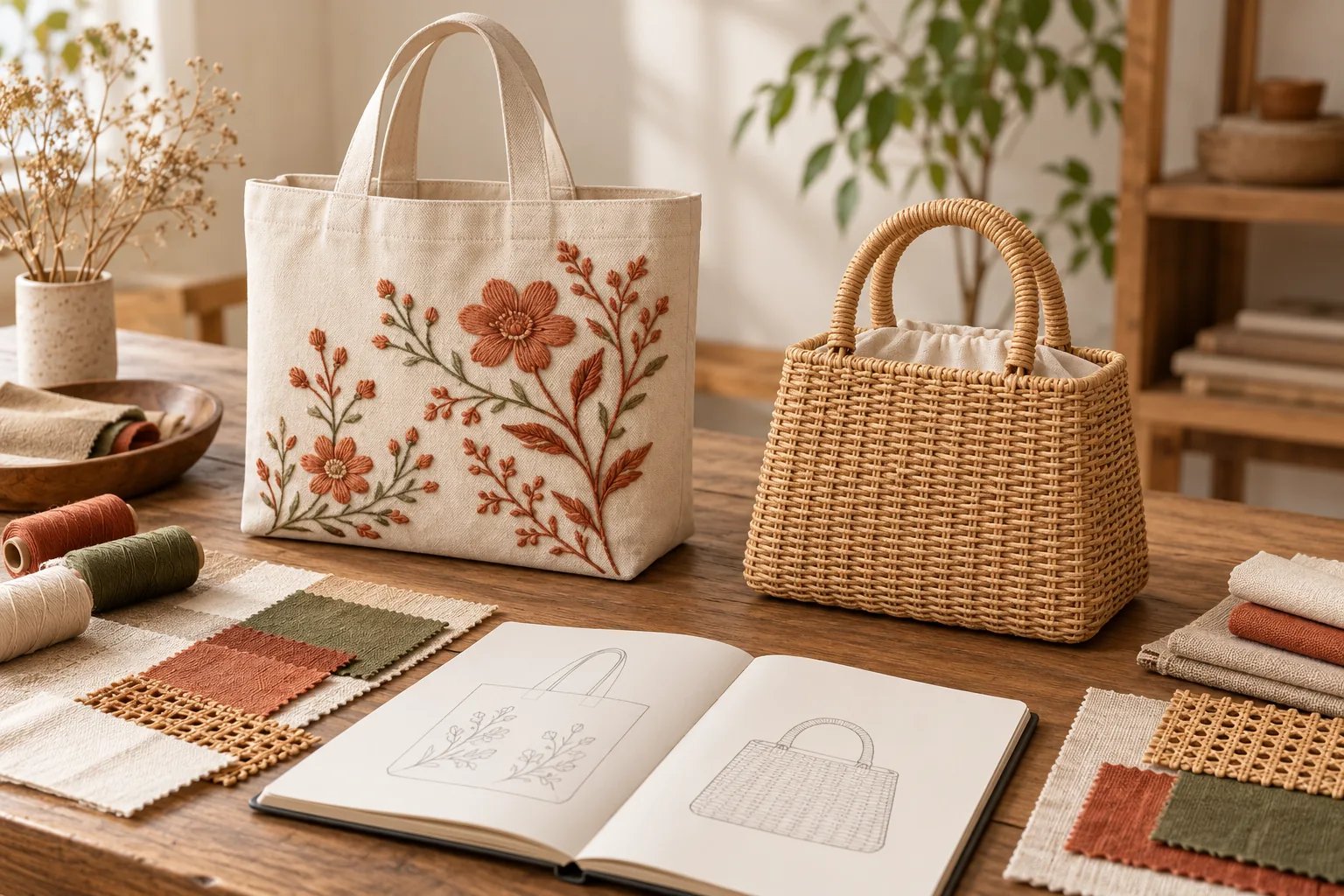
When you choose a bag manufacturer, you need to know whether the team can turn your design into a bag you can approve, price and order with confidence. At TelvaBag, we start that conversation with the construction: the fabric or woven body, the embroidery, the lining and the points where those materials join. Those details tell us more about a project than a front-view image alone.
We develop embroidered, hand-woven and mixed-material bags for brands and retailers. In this guide, we explain the questions we want you to ask us before committing to development: what we need from your brief, how to compare a quotation, what to inspect on a physical sample and what to confirm before production. You can use the same checks when comparing us with another workshop.
We start with your bag and the decisions still open
Tell us what you want to make and how it will be used. A boutique tote, a resort basket and a cosmetic pouch may share a colour palette, but their structure, opening and carrying requirements differ. We need the bag type, approximate dimensions, intended materials, decoration, estimated quantity and delivery destination. If you have a launch date, give us the date the goods need to arrive.
You can begin with a reference image, an existing style or a rough sketch. Tell us what you want to keep and what you want to change. We can then discuss whether your project is a branding change to a starting style, an adaptation of its construction or a new development. You do not need to describe it perfectly as OEM, ODM or private label before contacting us.
Leave an undecided measurement or material marked as undecided. We would rather discuss an open choice than build a quotation around a specification you do not actually want. Before you compare our price with another offer, check that both use the same dimensions, materials and scope.
- Starting without a complete design or tech pack Prepare an initial brief using references, measurements and a list of changes.
The questions we want you to ask before choosing us
We want the sourcing conversation to lead to specific decisions. Ask us to connect an answer to the proposed construction, a relevant example or the next development step. Use this checklist to record what has been confirmed and what still needs work; a catalogue image or a headline price cannot settle every point.
Swipe horizontally to see the full table →
| What to discuss with us | What to review together | What needs confirming |
|---|---|---|
| Relevant construction | A comparable bag and its exterior, interior and attachments | Whether our proposed approach fits your design |
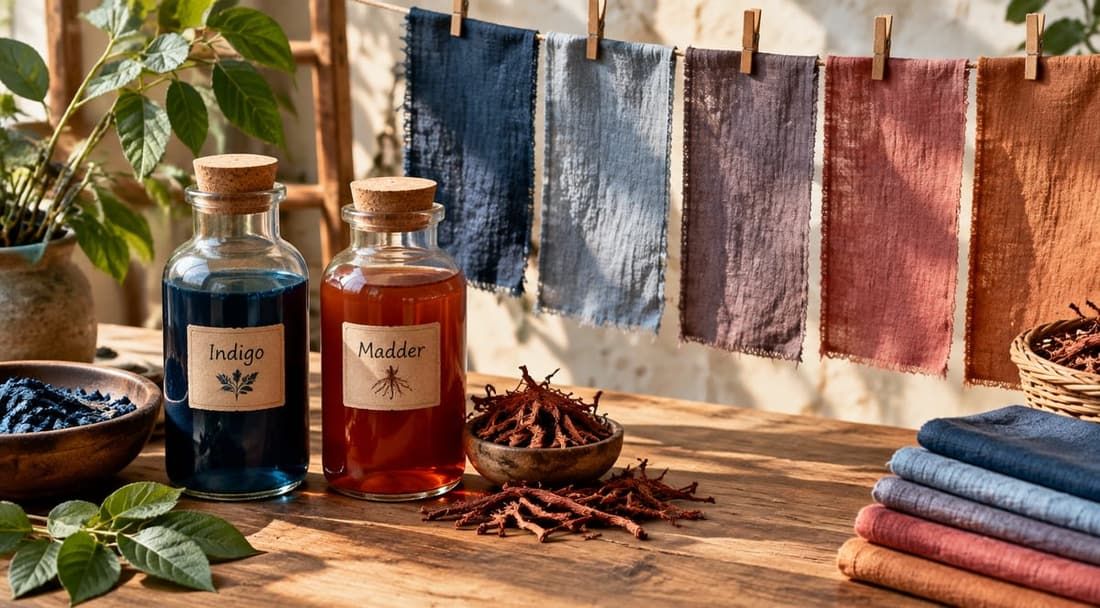
| Materials | Named fibres, fabric specifications, lining and hardware | Available options, substitutions and natural variation |
| Production responsibility | The people coordinating development, making and inspection | Who handles approvals, changes and issues |
| Quantity and colours | Your total quantity, colour split and custom components | The applicable minimums and a workable first order |
| Quotation scope | The specification, development charges, packing and delivery term | What our price includes and what remains provisional |
| Development controls | Your feedback, revisions and approval reference | The version we will use for production |
| Production acceptance | The agreed checks and defect handling arrangements | How the completed order will be assessed |
How we discuss embroidery before making the bag
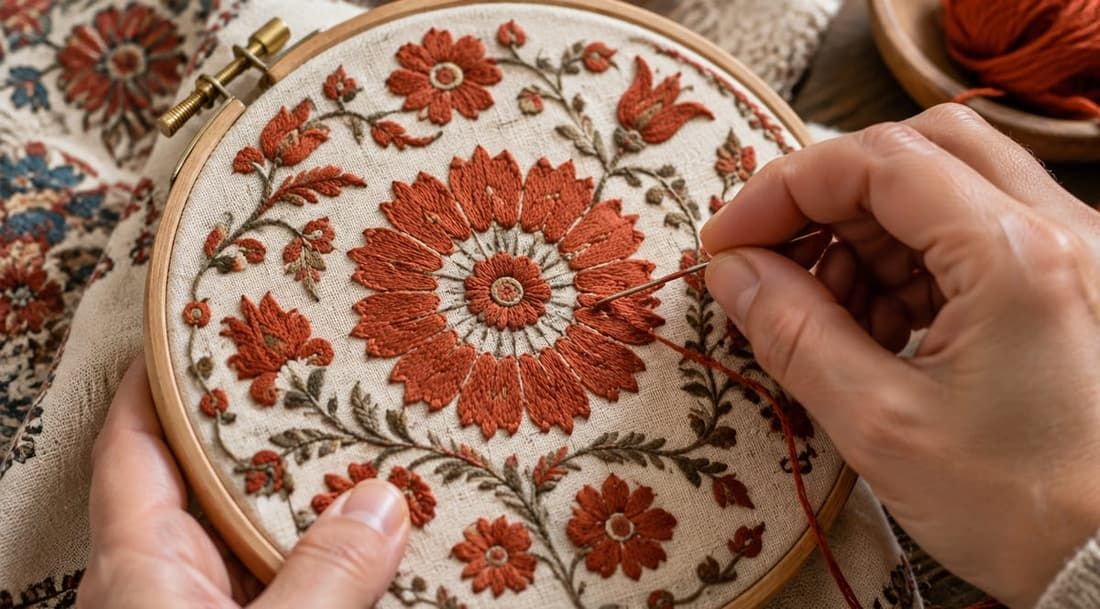
When you send us an embroidery idea, tell us whether handwork is central to the product or whether you are looking for another stitched finish. We need to discuss the method, motif size, placement and base fabric together. A dense floral panel and a small logo do not create the same development task, even when they sit on a similar tote.
Ask us to review the front, reverse and lining requirements with you. We want you to look beyond individual stitches: does the panel sit as intended, is small lettering readable and is the artwork too close to a seam or closure? A motif that looks clear on a loose swatch still needs to work on the assembled bag.
For development, we need one identifiable artwork version and an agreed placement. Where handwork is part of the design, we discuss which variations suit the product and which details need to remain consistent. If colour is critical to your collection, ask us how to confirm it against a physical reference rather than approving it from a screen alone.
- Explore our embroidered canvas bag constructions Compare the intended bag type and construction before discussing decoration.
How we review woven materials and their attachments
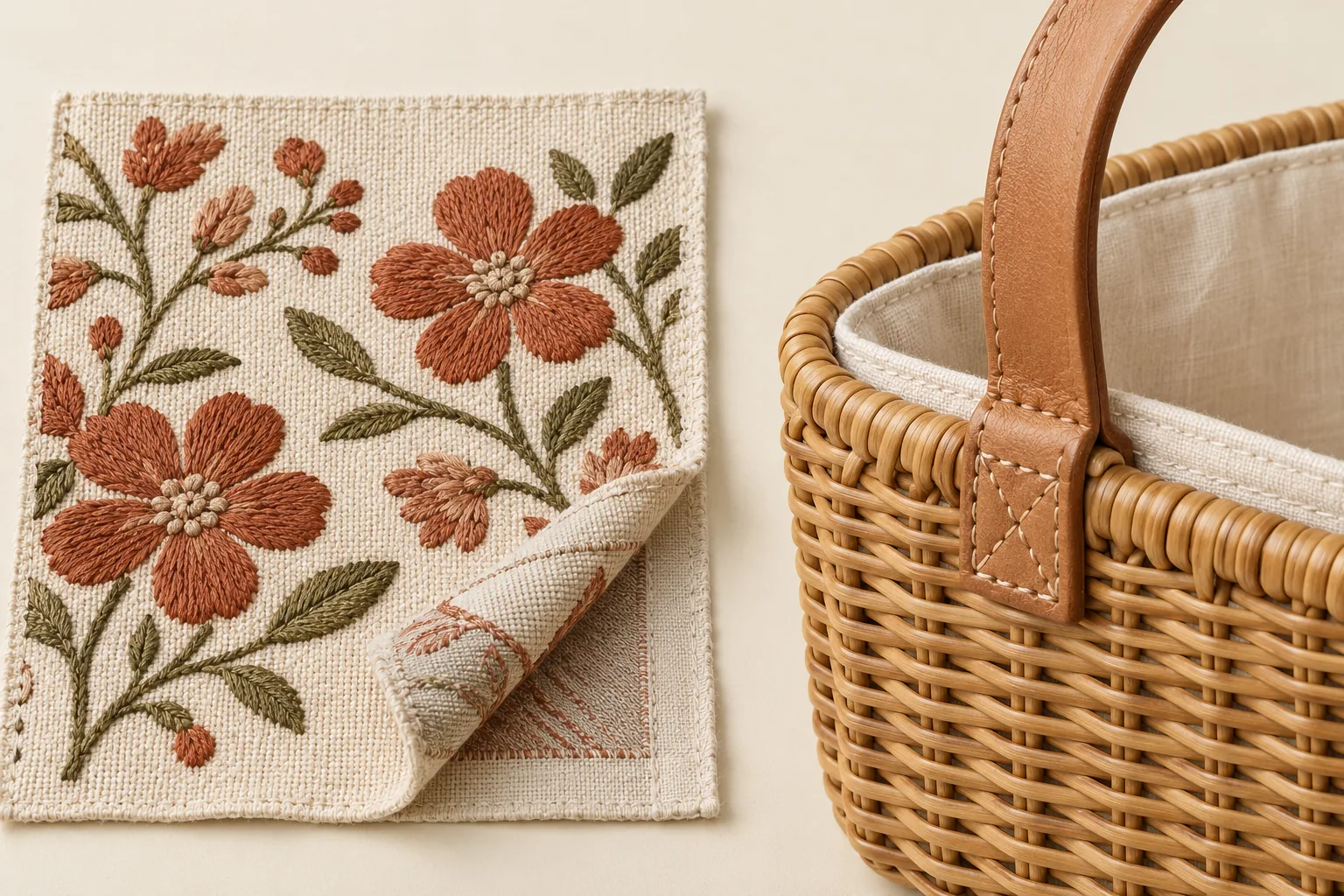
If your reference says “straw bag”, we need to narrow that down. Raffia crochet, rattan weaving and other natural-fibre constructions are different starting points. Tell us whether you want a rigid body, a flexible shape or a bag that can fold. We can discuss the material direction against the structure you need instead of assuming that similar-looking fibres are interchangeable.
For a woven style, we want the development discussion to cover the opening, base, rim, lining and handles. For an embroidered woven bag, the fabric-to-weave join needs particular attention. Ask us how the lining is held, where reinforcement is proposed and how exposed edges will be finished. These are useful details to examine on the physical piece.
We also need to agree the measurement method and acceptable appearance variation. Natural texture and handwork can vary; the approved reference should make the intended finish clear. We do not want the word “handmade” to replace a discussion about loose attachments, unfinished edges or the dimensions your product requires.
- Browse our hand-woven bag styles Use a relevant construction as the starting point for your sourcing discussion.
- Understand mixed-material bag construction Review the interface between embroidery, fabric and a woven body.
Ask us who is responsible for each stage
Before placing an order with us, ask who will handle development communication, material confirmation, decoration, assembly and inspection for your project. If specialist partners or material suppliers are involved, discuss their part in the work and who will coordinate the approvals. The responsibility for a revision or a defect needs to be clear before it becomes urgent.
You can use our product pages to identify relevant starting constructions and our process pages to prepare your questions. If you need to review a particular operation or example in more detail, tell us what you want to establish. A workshop image or a company document should support that conversation, rather than stand in for proof that your exact design has been resolved.
Check the company details on our quotation, order documents and payment instructions, and ask us to explain any inconsistency before proceeding. When discussing references, distinguish your own artwork from another brand’s product. Any confidentiality, ownership or exclusivity requirements should be agreed for your project.
What we need to make your quotation comparable
For a formal quotation, we need confirmed specifications. Send us the same current brief you use with other shortlisted manufacturers: dimensions, fabric or fibre, embroidery size, lining, closure, handles, labels, packaging and quantity breakdown. If a choice is still open, ask us to identify the assumption behind any early pricing guidance.
Our finished-bag minimum does not automatically settle every material or colour choice. We confirm mixed colours and quantities per colour separately, and custom materials or components may introduce other requirements. Tell us your intended launch quantity so we can discuss whether the proposed combination is workable before you commit to development.
Ask what our quotation includes: development work, additional pieces, revision scope, packaging, inspection arrangements and freight. We also need to agree the delivery term and destination. A factory collection price and a delivered price describe different scopes. Compare those details before treating the lower total as the better offer.
- Review custom bag cost factors Understand how materials, construction and development affect a quotation.
What we ask you to confirm on the physical sample
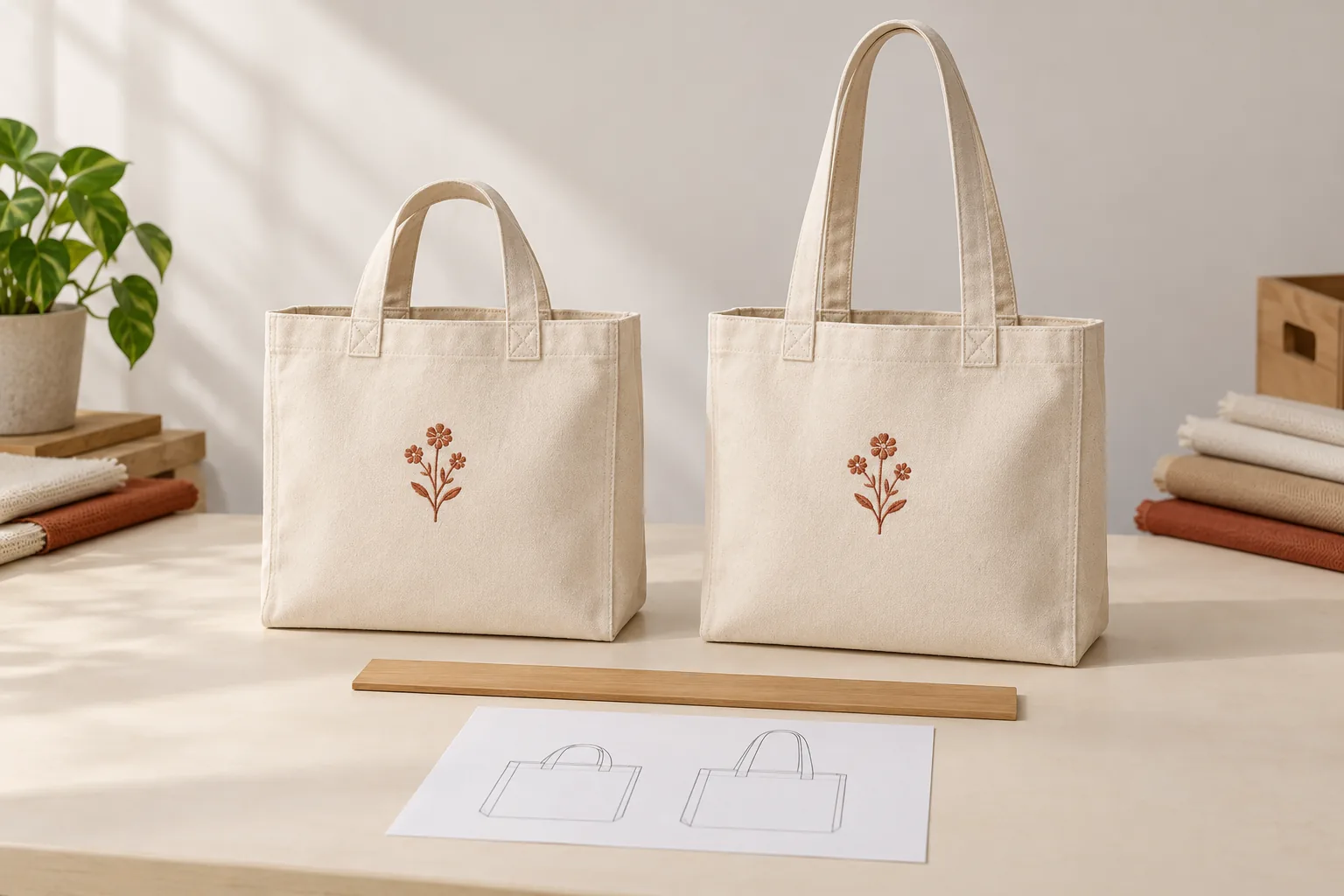
Before making a sample, we need to agree what it will confirm: shape, decoration, a material combination or the complete finished bag. Any temporary materials and unapproved details should be identified. If a prototype uses a substitute lining, we still need your decision on the final lining before treating the specification as complete.
When you receive the piece, check it against the brief we have agreed. Review the dimensions, handle drop, opening, pockets, lining, closure, embroidery and finish. Try the contents and carrying method the product is intended for. For example, longer shoulder handles change how a tote is carried even if its body and motif remain the same.
Send us clear photographs and measurements with your feedback. We can then discuss whether a change needs a revised physical piece or another agreed form of confirmation. We need an identifiable approved version and a matching specification before production; approval of the first prototype does not automatically approve a later material or construction change.
- Use the bag sample approval checklist Record the approved version and unresolved details before releasing production.
How we agree production checks and a workable schedule
Before production, discuss the inspection scope and acceptance criteria with us. For an embroidered or woven bag, relevant points may include dimensions, decoration placement, lining attachment, closure operation, handle security and packing. If your order needs a particular performance test or an outside inspector, we need to agree the method, responsibilities and criteria in advance.
Tell us your required arrival date early. We need to account for material confirmation, sample review, revisions, production, inspection and transport. Our usual sample making time starts after design and materials are approved; shipping is separate. We confirm production timing for the approved design, quantity and available materials.
If your deadline is fixed, ask us which decisions affect it. A material change or another development round may require an updated schedule. We would rather identify that dependency while you can still make a choice than let an early estimate be mistaken for a confirmed delivery commitment.
Questions you can ask us before starting
Can I contact you without a complete tech pack?
Yes. Send us a reference image, a rough sketch or a starting style and explain what you would change. We will identify the missing information with you. We still need confirmed specifications for a formal quotation and agreed development details before making the sample.
Can you quote for a small first order with several colours?
Tell us your estimated total and proposed colour split. Our baseline is 50 pieces per design, with mixed colours and quantities per colour confirmed separately. We also need to check material and component requirements; some projects have higher minimums.
Can we develop a bag that combines embroidery and weaving?
We develop mixed-material bag projects. Send us the intended shape, material direction and artwork so we can review the join, lining and attachments with you. The proposed combination needs to be confirmed through development rather than inferred from separate embroidery and weaving images.
Does approving our sample settle the production order?
We still need a matching final specification and agreement on the production quantity, schedule, inspection and delivery terms. Ask us to identify the approved version and resolve outstanding changes before authorising production.
Send us your bag reference and first-order plan
If you are looking for a manufacturing partner for an embroidered, woven or mixed-material bag, send us the style you have in mind. Include a reference image or current tech pack, what you would change, your estimated quantity, delivery destination and target arrival date. Tell us which details are fixed and which you would like help developing.
We reply within one business day with initial feasibility, the information needed for pricing and the next sampling steps. A formal quotation follows when specifications are confirmed. You can also begin from one of our existing styles and explain the changes you need. Our current starting terms are below; we confirm the material, colour and development scope for your project separately.
- 50 pieces per design. Mixed colours and quantities per colour are confirmed separately. Special programmes may have higher minimums.
- Usually 10 business days after design and materials are approved. Shipping is separate; complex designs and revisions need an agreed schedule.
- The initial sample development fee is credited to the production invoice when cumulative production orders reach 200 pieces within 6 months of sample approval. Shipping, extra samples and revisions are separate.
- Send your reference and request pricing and sample details Include the bag type, planned changes, estimated quantity, destination and target arrival date.
- Review our OEM bag manufacturing services Discuss production from your design and the development work your project needs.
- Explore our private-label bag development Discuss branding, materials and the scope of changes to a starting style.
- Read sample development terms Review the conditions before commissioning a physical piece.